
When an old, damaged, or unwanted vehicle reaches the end of its useful life, many people assume it is nothing more than scrap metal. However, professional geelong wreckers play an important role in recycling and recovering valuable materials from vehicles while reducing environmental waste.
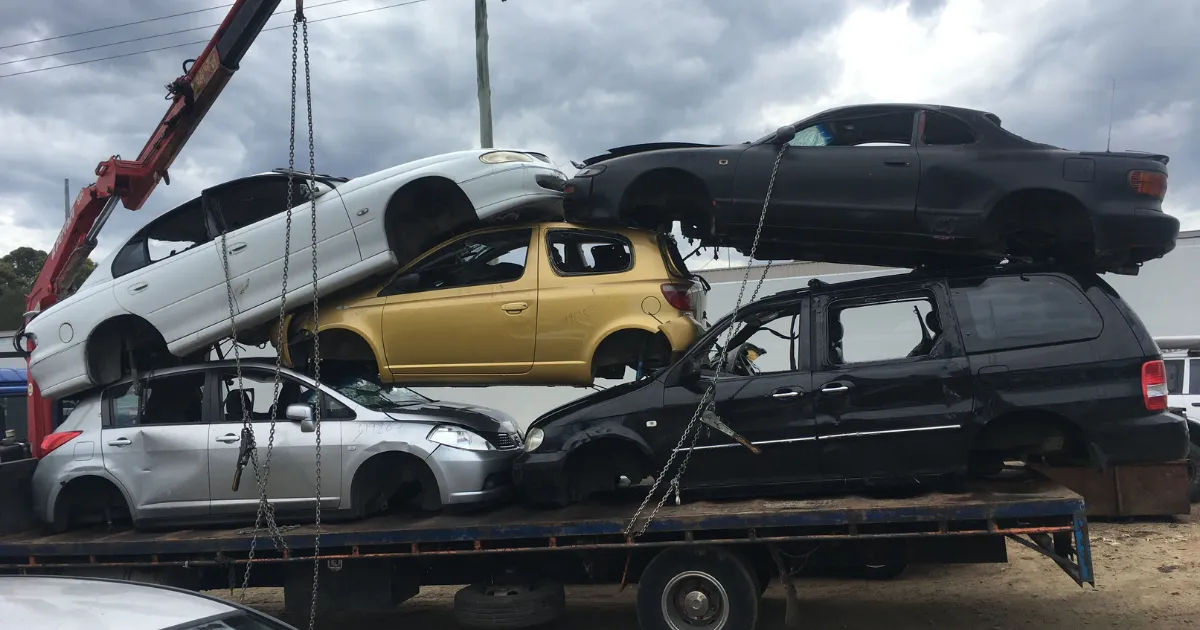
These experts carefully dismantle vehicles, separate reusable components, and recycle materials that can be used in manufacturing new products. Geelong wreckers have become an essential part of sustainable waste management by ensuring vehicles are processed responsibly. Instead of allowing old cars to sit unused in garages, driveways, or storage areas, they recover thousands of reusable parts and recyclable materials, helping reduce waste and support the automotive recycling industry.
From metals and glass to engines and electronic components, almost every section of a vehicle can have a second life.Understanding what local wreckers recycle helps vehicle owners make better decisions when disposing of unwanted cars. It also highlights how the automotive recycling industry supports environmental protection, reduces landfill waste, and contributes to a circular economy.
The Importance of Vehicle Recycling
Every year, millions of vehicles reach the end of their operational life. Without proper recycling, these vehicles can create serious environmental problems. Old cars contain materials that can harm the environment if they are not handled correctly.
Professional recyclers follow safe dismantling procedures to remove hazardous fluids, recover valuable parts, and process materials efficiently. This approach prevents pollution while allowing useful resources to be reused.
Geelong wreckers help communities manage unwanted vehicles responsibly by ensuring that cars are not simply abandoned or sent directly to landfill. Instead, they transform old vehicles into valuable resources.
Vehicle recycling also reduces the demand for new raw materials. Mining and manufacturing metals require significant energy and resources. Recycling existing vehicle materials requires less energy and helps conserve natural resources.
Metals Recycled by Local Wreckers
One of the most valuable materials recovered from vehicles is metal. Cars contain large amounts of steel, aluminium, copper, and other metals that can be processed and reused.
Steel Recycling
Steel is one of the most common materials found in vehicles. It is used in car bodies, frames, suspension systems, and many internal components.
Local recyclers remove steel parts and send them to specialised recycling facilities. The steel is melted down and transformed into new products, including construction materials, machinery components, and new automotive parts.
Recycling steel reduces the need for new mining operations and lowers the environmental impact associated with steel production.
Aluminium Recycling
Modern vehicles use aluminium because it is lightweight and helps improve fuel efficiency. Aluminium can be found in engine components, wheels, transmissions, and body panels.
Local wreckers carefully collect aluminium parts because this metal has high recycling value. Once processed, recycled aluminium can be used in various industries, including automotive manufacturing and construction.
Copper Recycling
Copper is another valuable material found in vehicles. Wiring systems, electrical components, and motors contain copper because of its excellent ability to conduct electricity.
Recycling copper helps reduce the need for new extraction while providing manufacturers with a reliable source of reusable material.
Recycling Car Engines and Mechanical Components
Many vehicle components can be reused instead of being completely destroyed. Engines, transmissions, alternators, starters, and other mechanical parts often have significant value.
Before recycling, local wreckers inspect these components to determine whether they can be refurbished or reused.
A working engine from an unwanted vehicle may be removed, tested, and sold as a replacement part. This provides affordable options for vehicle owners who need repairs.
Transmission systems, fuel systems, and suspension parts can also be recovered. Reusing these components reduces manufacturing waste and extends the lifespan of existing automotive products.
Reusing Auto Parts
One of the biggest benefits of using professional recyclers is the availability of used vehicle parts. Many people prefer recycled parts because they are more affordable than brand-new replacements.
Common reusable parts include:
- Engines
- Gearboxes
- Doors
- Mirrors
- Bumpers
- Headlights
- Seats
- Wheels
- Panels
- Electrical components
Geelong wreckers inspect and organise these parts so customers can find suitable replacements for different vehicle models.
Using recycled parts also supports environmentally friendly vehicle repairs. Instead of producing a completely new component, an existing part can continue serving its purpose.
Glass Recycling From Old Vehicles
Vehicle glass is another material that can be recovered during the recycling process. Windscreens and windows are carefully removed before vehicles are crushed.
Automotive glass is processed differently from regular household glass because it contains protective layers designed for safety.
Once recycled, vehicle glass can be used in products such as:
- New glass products
- Fibreglass materials
- Construction materials
- Insulation products
Proper glass recycling prevents unnecessary waste and keeps useful materials out of landfills.
Plastic Recycling From Vehicles
Modern vehicles contain many plastic components. These include dashboards, bumpers, interior panels, handles, and storage compartments.
Plastic recycling from vehicles is challenging because different types of plastic require different processing methods. However, experienced recyclers separate these materials carefully.
Recovered automotive plastics can be transformed into new plastic products, reducing the need for new plastic production.
Recycling vehicle plastics helps lower energy consumption and supports more sustainable manufacturing practices.
Tyre Recycling and Recovery
Old tyres are another major part of vehicle recycling. Millions of tyres are discarded every year, creating storage and environmental challenges.
Local wreckers collect usable tyres and separate them based on condition.
Good-quality tyres may be resold for reuse. Damaged tyres are often sent to recycling facilities where they can be transformed into materials such as:
- Rubber flooring
- Playground surfaces
- Road construction materials
- Industrial products
Tyre recycling reduces landfill pressure and prevents illegal tyre dumping.
Battery Recycling
Car batteries contain valuable materials but require careful handling because they contain chemicals that can be harmful if released into the environment.
Professional recyclers remove batteries safely and send them to specialised facilities.
Battery recycling allows materials such as lead, plastic, and other components to be recovered and reused.
Proper battery disposal also prevents soil and water contamination.
Recycling Vehicle Fluids
Old vehicles contain various fluids that must be removed before recycling. These include:
- Engine oil
- Coolant
- Brake fluid
- Transmission fluid
- Fuel
These fluids cannot simply be released into the environment because they may contaminate soil and waterways.
Local wreckers use safe procedures to drain and manage these fluids. Some fluids can be cleaned and reused, while others are processed according to environmental regulations.
Recycling Electronic Components
Modern vehicles contain advanced electronic systems. Computers, sensors, entertainment systems, wiring, and electrical modules are common in newer cars.
Electronic recycling is becoming increasingly important as vehicles become more technology-focused.
Local recyclers recover valuable materials from electronic components, including metals and specialised materials.
Responsible electronic recycling helps reduce electronic waste and supports resource recovery.
The Vehicle Recycling Process
Vehicle recycling involves several detailed steps to ensure maximum material recovery.
Vehicle Collection
The process usually begins with vehicle collection. Unwanted cars are transported safely to recycling facilities.
Many professional wreckers offer vehicle removal services, making it easier for owners to dispose of damaged or unused vehicles.
Vehicle Inspection
Once a vehicle arrives, experts inspect it to identify reusable parts and valuable materials.
They determine which components can be sold, refurbished, or recycled.
Hazardous Material Removal
Before dismantling begins, dangerous substances are removed. This includes fuel, oils, batteries, and other fluids.
This step protects workers and prevents environmental damage.
Parts Removal
Reusable components are carefully removed from the vehicle. These parts may be cleaned, tested, and prepared for resale.
Material Separation
After useful parts are removed, the remaining vehicle structure is separated into different material categories.
Metals, plastics, glass, and other materials are processed separately to maximise recycling efficiency.
Vehicle Crushing and Processing
The remaining shell is crushed and sent for further recycling. Advanced equipment separates remaining materials so they can be reused.
Environmental Benefits of Vehicle Recycling
Vehicle recycling provides many environmental advantages.
Reducing Landfill Waste
Without recycling, old vehicles could occupy valuable landfill space. Recycling ensures that most vehicle materials are recovered instead of discarded.
Conserving Natural Resources
Recycling metals reduces the need for mining new resources. This helps conserve limited natural materials.
Saving Energy
Producing materials from recycled sources often requires less energy compared to manufacturing from raw materials.
Reducing Pollution
Proper recycling prevents hazardous substances from entering the environment.
Economic Benefits of Car Recycling
Vehicle recycling does not only help the environment. It also supports local economies.
The recycling industry creates employment opportunities in vehicle dismantling, transportation, parts sales, and material processing.
Affordable recycled parts also help vehicle owners reduce repair costs.
Businesses that purchase recycled materials benefit from reliable sources of metals and components.
Why Choose Professional Local Wreckers?
Choosing experienced recyclers ensures that vehicles are handled responsibly.
Professional wreckers follow safety procedures and environmental guidelines. They have the equipment needed to dismantle vehicles efficiently and recover valuable materials.
Local services also provide convenience. Instead of dealing with an unwanted vehicle yourself, you can arrange professional removal and recycling.
Working with trusted geelong wreckers ensures that your old vehicle contributes to sustainability rather than becoming unnecessary waste.
How Vehicle Owners Can Support Recycling
Vehicle owners can make recycling easier by preparing their cars properly.
Some helpful steps include:
- Removing personal belongings from the vehicle
- Keeping ownership documents available
- Choosing licensed recyclers
- Asking about recycling practices
- Avoiding illegal dumping
Selecting a responsible recycling company helps ensure that your vehicle is processed correctly.
The Future of Automotive Recycling
The automotive industry continues to move toward more sustainable practices. As vehicles become more advanced, recycling methods are also improving.
Electric vehicles, hybrid systems, and advanced materials create new recycling challenges and opportunities.
Future recycling technologies will focus on recovering more materials, improving efficiency, and reducing waste.
As sustainability becomes increasingly important, vehicle recycling will continue to play a major role in protecting the environment.
Conclusion
Vehicle recycling is much more than simply removing old cars from properties. It is a detailed process that recovers valuable materials, reduces environmental harm, and supports sustainable manufacturing.
Local recyclers recover metals, glass, plastics, tyres, batteries, electronic components, fluids, and reusable vehicle parts. Through careful dismantling and processing, they ensure that unwanted vehicles continue providing value even after they are no longer driven.
Choosing professional geelong wreckers allows vehicle owners to dispose of their cars responsibly while supporting a cleaner environment. Recycling reduces landfill waste, conserves natural resources, and helps create a more sustainable future for the automotive industry.
As recycling technology continues to improve, the role of vehicle recyclers will become even more important. Every recycled vehicle represents fewer wasted resources and a positive step toward environmental responsibility.