
The hemp industry has grown rapidly in recent years. Consumers now have access to oils, gummies, flowers, tinctures, vapes, and disposable devices like the Lost THC V2 7.5 Gram THCA Disposable.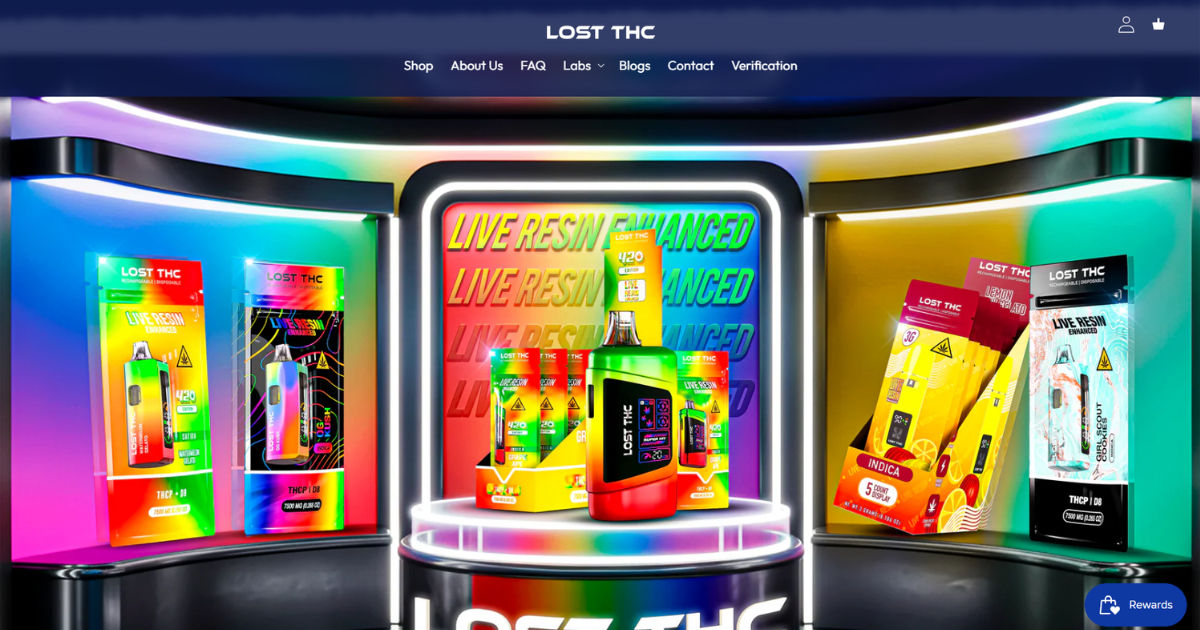
As more people explore hemp-derived products, understanding product quality and safety has become more important than ever.
One of the most important documents connected to any hemp item is the Certificate of Analysis, commonly called a COA. Whether you are purchasing CBD oils, THCA flower, edibles, or products such as the Lost THC V2 7.5 Gram THCA Disposable, a COA helps verify what is actually inside the product.
A Certificate of Analysis provides laboratory test results that confirm cannabinoid content, purity, potency, and safety. It acts as proof that the hemp product has been tested by professionals. In a market filled with many brands and formulations, this document helps consumers make informed decisions.
Many experienced hemp users will not buy a product unless they can review the COA first. That is because a trustworthy COA can reveal whether the product contains harmful contaminants or misleading ingredient claims. For products like the Lost THC V2 7.5 Gram THCA Disposable, lab testing is especially important because consumers want confidence in both potency and compliance.
This guide explains everything you need to know about Certificates of Analysis for hemp products. You will learn what a COA includes, why it matters, how to read it, and how it protects consumers from unsafe or low-quality products.
Hemp Products
Before discussing COAs in detail, it helps to understand what hemp products are.
Hemp is a variety of cannabis that contains low levels of Delta-9 THC. Hemp-derived products may contain cannabinoids such as:
- CBD
- THCA
- Delta-8 THC
- Delta-10 THC
- CBG
- CBN
These compounds are used in many different product forms, including:
- Oils
- Capsules
- Gummies
- Flowers
- Concentrates
- Disposable vape devices
- Topicals
Consumers purchasing items like the Lost THC V2 7.5 Gram THCA Disposable often want accurate information about potency and purity. This is where the COA becomes essential.
What Is a Certificate of Analysis?
A Certificate of Analysis is a laboratory report created after scientific testing of a hemp product. The document shows detailed results about the product’s chemical composition and safety.
Independent third-party laboratories typically perform the testing. These labs analyze the product and generate reports that manufacturers share with consumers.
The COA verifies important information such as:
- Cannabinoid levels
- THC concentration
- Presence of contaminants
- Product purity
- Compliance with legal limits
For example, a consumer purchasing the Lost THC V2 7.5 Gram THCA Disposable may check the COA to confirm the THCA percentage and ensure the product meets safety standards.
Why Certificates of Analysis Matter
Consumer Safety
The biggest reason COAs matter is safety.
Hemp plants absorb substances from the soil. If the soil contains heavy metals, pesticides, or toxins, the plant may absorb them as well. Without proper testing, dangerous contaminants could end up in finished products.
A reliable COA helps confirm that products like the Lost THC V2 7.5 Gram THCA Disposable are free from unsafe substances.
Product Accuracy
Some products may advertise incorrect potency levels. A COA confirms whether the label matches the actual cannabinoid content.
Consumers deserve to know exactly what they are using. Accurate testing builds trust between brands and buyers.
Legal Compliance
Federal law requires hemp products to contain less than 0.3% Delta-9 THC on a dry weight basis. A COA confirms whether a product complies with these regulations.
This is especially important for products like the Lost THC V2 7.5 Gram THCA Disposable because cannabinoid concentrations must remain within legal limits.
Transparency
A company willing to share lab reports openly usually demonstrates higher transparency and accountability.
Brands that hide testing information may raise concerns among informed consumers.
What Information Is Included in a COA?
Certificates of Analysis contain several sections. Understanding each section helps consumers interpret the report correctly.
Product Identification
The COA begins with basic product details, including:
- Product name
- Batch number
- Lot number
- Date of testing
- Manufacturer name
If you purchase the Lost THC V2 7.5 Gram THCA Disposable, the COA should clearly match the exact product and batch.
Cannabinoid Profile
This section measures cannabinoids present in the product.
Common cannabinoids tested include:
- CBD
- THCA
- THC
- Delta-8 THC
- Delta-10 THC
- CBG
- CBN
The report typically shows:
- Percentage concentration
- Milligrams per gram
- Total cannabinoid content
Consumers often examine this section first when reviewing products like the Lost THC V2 7.5 Gram THCA Disposable.
Terpene Analysis
Some COAs also include terpene testing.
Terpenes are aromatic compounds responsible for flavor and scent. They may also contribute to the overall user experience.
Common terpenes include:
- Myrcene
- Limonene
- Caryophyllene
- Pinene
Heavy Metal Testing
Hemp can absorb toxic metals from the environment. Labs test for harmful substances such as:
- Lead
- Mercury
- Cadmium
- Arsenic
A safe product should pass these tests successfully.
Pesticide Screening
Pesticides used during cultivation may remain in hemp products if not properly controlled.
A COA checks for potentially dangerous pesticide residues.
Residual Solvent Testing
Extraction methods sometimes use solvents. If solvents are not fully removed, they may remain in the final product.
Testing checks for substances such as:
- Butane
- Propane
- Ethanol
- Hexane
This testing is highly important for vape products like the Lost THC V2 7.5 Gram THCA Disposable.
Microbial Testing
Microbial contamination can include:
- Mold
- Yeast
- Salmonella
- E. coli
Unsafe microbial levels can create health risks for consumers.
Water Activity and Moisture Content
For hemp flower products, labs may test moisture levels to reduce the risk of mold growth.
How to Read a Certificate of Analysis
Many consumers feel confused when they first view a COA. However, reading one becomes easier with practice.
Step 1: Verify the Product Name
Ensure the product listed on the report matches the item you purchased.
For example, if you buy the Lost THC V2 7.5 Gram THCA Disposable, the report should clearly identify that exact product.
Step 2: Check the Laboratory
Look for testing from an independent third-party laboratory.
Independent labs are more trustworthy because they are not directly controlled by the manufacturer.
Step 3: Review the Date
A recent test date is important. Older reports may not accurately represent current batches.
Step 4: Examine Cannabinoid Levels
Review the potency results carefully.
If a product claims high THCA content, the COA should confirm it.
Step 5: Look for Pass/Fail Results
Most reports clearly indicate whether the product passed safety testing.
Look for sections labeled:
- Pass
- Fail
- ND (Not Detected)
Step 6: Confirm THC Compliance
Federal law requires hemp products to remain below legal Delta-9 THC limits.
The COA should confirm compliance.
Third-Party Testing vs In-House Testing
Third-Party Testing
Third-party labs operate independently from the manufacturer. This reduces bias and increases reliability.
Consumers generally trust third-party reports more.
In-House Testing
Some companies perform internal testing. While this can still provide useful information, consumers may prefer independent verification.
For products like the Lost THC V2 7.5 Gram THCA Disposable, third-party testing provides stronger consumer confidence.
How COAs Protect Consumers
Preventing Mislabeling
Without testing, companies could exaggerate potency claims.
COAs help ensure labeling accuracy.
Reducing Health Risks
Testing identifies dangerous contaminants before products reach consumers.
Supporting Responsible Brands
Transparent testing encourages higher industry standards.
Building Consumer Confidence
Customers feel more comfortable purchasing products backed by reliable laboratory data.
Common Red Flags in a COA
Not all Certificates of Analysis are trustworthy. Consumers should watch for warning signs.
Missing Lab Information
Reliable reports should include full laboratory details.
No Batch Number
A COA without batch information may not match the product.
Outdated Reports
Old reports may no longer represent current formulations.
Incomplete Testing
A quality COA should include contaminant testing, not just cannabinoid analysis.
Unrealistic Potency Claims
Extremely high percentages may require closer inspection.
Consumers purchasing the Lost THC V2 7.5 Gram THCA Disposable should always review complete testing information carefully.
QR Codes and Digital Access
Many modern hemp products include QR codes on packaging.
Consumers can scan the code to access the COA instantly.
This makes verification faster and more convenient.
Products like the Lost THC V2 7.5 Gram THCA Disposable may use QR code systems to provide easy access to lab reports.
Hemp Regulations and COAs
The hemp industry operates under evolving regulations.
Federal and state authorities often require testing to ensure compliance.
Certificates of Analysis help manufacturers demonstrate that products meet legal standards.
Testing requirements may vary by state, but most reputable companies follow strict quality control practices regardless of location.
COAs for Different Hemp Products
CBD Oils
CBD oils require potency and contaminant testing to ensure safety and accurate dosing.
Edibles
Gummies and edibles need careful testing because cannabinoid distribution must remain consistent.
Hemp Flower
Flower products require microbial and moisture testing in addition to cannabinoid analysis.
Vape Products
Disposable vapes like the Lost THC V2 7.5 Gram THCA Disposable require extensive testing for solvents and contaminants.
Concentrates
Concentrates contain higher cannabinoid levels, making accurate testing extremely important.
The Role of Laboratories
Testing laboratories play a major role in the hemp industry.
Professional labs use advanced scientific equipment such as:
- High-performance liquid chromatography (HPLC)
- Gas chromatography
- Mass spectrometry
These tools help detect cannabinoids and contaminants accurately.
Reliable labs follow strict quality standards and standardized testing methods.
Why THCA Products Require Careful Testing
THCA products have become increasingly popular.
THCA is a non-psychoactive cannabinoid in raw cannabis that converts into THC when heated.
Products like the Lost THC V2 7.5 Gram THCA Disposable may contain concentrated THCA formulas that require accurate testing for:
- Potency
- Purity
- Compliance
- Safety
Because heating transforms THCA into THC, testing becomes especially important for legal compliance.
How Consumers Can Verify a COA
Check the QR Code
Scan the packaging QR code to access testing reports.
Visit the Brand Website
Many companies publish lab reports online.
Compare Batch Numbers
Ensure the report matches the specific product batch.
Contact Customer Support
If testing information is unavailable, ask the company directly.
Consumers should avoid purchasing products like the Lost THC V2 7.5 Gram THCA Disposable from brands unwilling to provide transparent lab results.
Benefits of Transparent Hemp Brands
Companies that openly share testing data often demonstrate stronger quality control practices.
Benefits include:
- Greater consumer trust
- Better industry reputation
- Increased product reliability
- Improved safety standards
Transparency has become a major factor in consumer purchasing decisions.
How COAs Improve Industry Standards
The hemp industry is still developing. COAs help establish accountability and professionalism.
As consumers become more educated, brands face greater pressure to maintain high standards.
This encourages:
- Better cultivation practices
- Cleaner extraction methods
- More accurate labeling
- Safer products
Misconceptions About Certificates of Analysis
“All Hemp Products Are Tested”
Not every product undergoes proper testing.
Consumers should verify reports independently.
“A COA Guarantees Quality”
A COA helps evaluate quality, but consumers should also consider brand reputation and manufacturing practices.
“Testing Is Only About THC”
COAs evaluate many safety factors beyond THC levels.
“One COA Covers Every Batch”
Each batch should have its own testing report.
Products like the Lost THC V2 7.5 Gram THCA Disposable may vary slightly between batches, making updated testing essential.
Questions Consumers Should Ask
Before purchasing a hemp product, consumers should ask:
- Is third-party testing available?
- Does the COA match the batch number?
- Are contaminants tested?
- Is the report recent?
- Does the potency match the label?
These questions help identify reliable products.
The Future of Hemp Product Testing
Testing standards will likely become stricter as the hemp industry grows.
Future improvements may include:
- Standardized national testing requirements
- Enhanced transparency systems
- Faster digital verification
- Improved contaminant detection
Consumers increasingly expect reliable testing for products like the Lost THC V2 7.5 Gram THCA Disposable.
Tips for Buying Safe Hemp Products
Buy From Reputable Brands
Research the company before purchasing.
Always Review the COA
Never skip lab verification.
Avoid Products Without Testing
Lack of transparency may indicate poor quality.
Check for Comprehensive Testing
A complete COA should include contaminant analysis.
Verify Legal Compliance
Ensure THC levels meet legal standards.
How Retailers Use Certificates of Analysis
Retailers often rely on COAs before stocking products.
Testing reports help stores:
- Verify legality
- Reduce liability
- Build customer trust
- Ensure product consistency
Many retailers will not carry products without reliable testing documentation.
Why Education Matters in the Hemp Industry
Consumer education plays a major role in promoting safe hemp usage.
When buyers understand COAs, they become better equipped to identify trustworthy products.
This helps improve the industry overall by rewarding transparent companies.
Products like the Lost THC V2 7.5 Gram THCA Disposable are more likely to gain consumer trust when accompanied by accessible and accurate testing reports.
Conclusion
A Certificate of Analysis is one of the most important tools for evaluating hemp products. It provides detailed laboratory testing information about potency, purity, safety, and compliance. In a growing industry filled with many brands and formulations, COAs help consumers make informed decisions with greater confidence.
Whether purchasing oils, gummies, flowers, concentrates, or vape devices like the Lost THC V2 7.5 Gram THCA Disposable, reviewing the COA should always be part of the buying process. The report confirms whether the product contains accurate cannabinoid levels and whether it has been tested for harmful contaminants such as pesticides, heavy metals, solvents, mold, and bacteria.
Third-party testing also promotes transparency and accountability within the hemp industry. Brands that openly share Certificates of Analysis demonstrate a stronger commitment to quality and consumer safety. As regulations continue to evolve, COAs will likely become even more important for both businesses and consumers.
Understanding how to read and evaluate a COA empowers consumers to make safer and smarter choices. Instead of relying solely on marketing claims, buyers can use scientific testing data to verify product quality. This helps reduce risks, improve trust, and support higher industry standards.
In today’s hemp market, a Certificate of Analysis is more than just a technical document. It is a valuable resource that protects consumers and encourages responsible manufacturing practices across the industry.