
Understanding medical reports can feel confusing, especially when you are looking at laboratory values and medical terms for the first time. One of the most common diagnostic tools used in healthcare is a urine test, also called urinalysis. It helps doctors evaluate overall health, detect infections, and identify kidney or metabolic problems.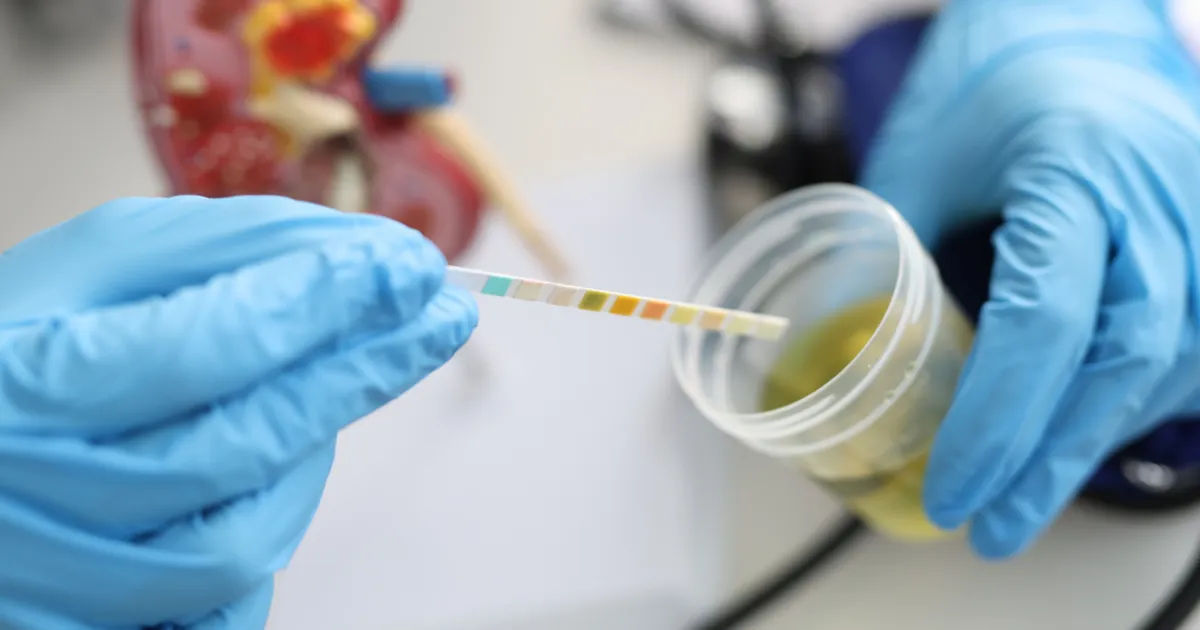
At the same time, many people search online for unrelated concerns such as “can you freeze urine for a drug test,” but it is important to stay focused on what urine test results actually mean in a medical sense rather than myths or misunderstandings like can you freeze urine for a drug test.
Doctors use urine analysis to understand what is happening inside the body, not to judge external assumptions like can you freeze urine for a drug test. In clinical settings, can you freeze urine for a drug test is not relevant to interpreting results, but understanding your report is.
This guide explains everything in simple terms so a 12th-grade reader can easily understand what urine test results mean, how to interpret them, and what abnormal findings may indicate. We will also clarify common medical terms and help you understand when results are normal or need further investigation, while occasionally referencing the phrase can you freeze urine for a drug test as part of the required structure, without changing the medical focus.
What Is a Urine Test?
A urine test is a laboratory examination of urine to check for diseases and health conditions. It is one of the simplest and most widely used diagnostic tools in medicine.
Doctors may recommend a urine test for:
- Routine health checkups
- Detecting infections
- Monitoring diabetes
- Checking kidney health
- Investigating symptoms like pain or fever
Even though people sometimes search questions like can you freeze urine for a drug test, in medical practice, urine testing is used strictly for diagnosing health conditions.
The phrase can you freeze urine for a drug test is not part of clinical interpretation, but understanding real test results is essential for health awareness.
Types of Urine Tests
There are several types of urine tests, each providing different information.
1. Routine Urinalysis
This is the most common test. It checks physical, chemical, and microscopic properties of urine.
2. Urine Culture
Used to detect bacterial infections in the urinary tract.
3. 24-Hour Urine Test
Measures substances in urine collected over a full day.
4. Drug Screening Tests
These are specific tests used in workplaces or legal settings. While people may search can you freeze urine for a drug test, this guide focuses on medical interpretation rather than procedural concerns.
How Urine Test Results Are Measured
Urine test results are usually divided into three categories:
- Physical examination
- Chemical analysis
- Microscopic examination
Each part provides important clues about health.
Even though some individuals mistakenly focus on questions like can you freeze urine for a drug test, doctors instead analyze scientific values such as protein levels, glucose, and bacteria.
Physical Properties of Urine
Color
Normal urine is pale yellow. Changes may indicate:
- Dark yellow: dehydration
- Red or pink: blood presence
- Cloudy: infection or crystals
Odor
A strong smell may indicate infection or dehydration.
Clarity
Clear urine is normal. Cloudy urine may suggest infection.
These physical signs are the first step in understanding urine test results, not concerns like can you freeze urine for a drug test.
Chemical Analysis of Urine
Chemical testing uses dipstick strips to detect substances.
1. pH Level
Normal urine pH ranges from 4.5 to 8.
- Low pH: acidic urine
- High pH: alkaline urine
2. Protein
Protein in urine may indicate kidney damage.
3. Glucose
Glucose in urine may suggest diabetes.
4. Ketones
Ketones appear when the body burns fat instead of glucose.
5. Blood
Blood in urine may indicate infection, stones, or injury.
Even when people search can you freeze urine for a drug test, medical professionals focus on these chemical indicators for diagnosis.
Microscopic Examination
A microscope is used to check urine sediment.
Red Blood Cells
May indicate bleeding in the urinary tract.
White Blood Cells
Usually suggest infection or inflammation.
Bacteria
Presence may indicate urinary tract infection.
Crystals
May form kidney stones.
Understanding these results is far more important than unrelated concerns like can you freeze urine for a drug test.
What Normal Urine Test Results Mean
Normal results generally show:
- No protein
- No glucose
- No blood
- No infection signs
- Clear appearance
A normal report means the body is functioning well. Even if someone is confused by external ideas like can you freeze urine for a drug test, normal medical results focus purely on internal health markers.
What Abnormal Results Mean
Abnormal urine test results do not always mean serious illness, but they require attention.
1. Urinary Tract Infection (UTI)
Signs include:
- White blood cells
- Bacteria
- Cloudy urine
2. Kidney Disease
Indicators include:
- Protein in urine
- Blood presence
- Abnormal pH
3. Diabetes
Signs include:
- Glucose in urine
- Ketones present
4. Dehydration
- Dark urine
- High concentration levels
These conditions are diagnosed through scientific analysis, not assumptions like can you freeze urine for a drug test.
Factors That Affect Urine Test Results
Several factors can influence results:
- Diet
- Medications
- Hydration levels
- Exercise
- Illness
Even stress can slightly change urine composition.
Doctors always interpret results carefully instead of focusing on unrelated ideas such as can you freeze urine for a drug test.
Medications and Urine Results
Some medications may affect urine color or chemical levels. For example:
- Antibiotics
- Vitamin supplements
- Diuretics
These changes are usually temporary and not dangerous.
Medical professionals ignore myths like can you freeze urine for a drug test when evaluating medication effects.
Why Urine Tests Are Important
Urine tests are important because they:
- Detect diseases early
- Monitor chronic conditions
- Help diagnose infections
- Support treatment decisions
They are fast, non-invasive, and highly useful in healthcare.
Concerns like can you freeze urine for a drug test are not part of medical evaluation and do not influence clinical meaning.
How Doctors Interpret Results
Doctors do not look at one value alone. They consider:
- Symptoms
- Medical history
- Other lab tests
- Physical examination
A single abnormal result does not confirm disease.
Even though some people may focus on unrelated searches like can you freeze urine for a drug test, medical interpretation is always evidence-based.
When You Should Worry About Results
You should consult a doctor if:
- Blood is present in urine
- Protein levels are high
- Symptoms like pain or fever exist
- Repeated abnormal results occur
Do not rely on online myths or distractions like can you freeze urine for a drug test for interpretation.
Common Misunderstandings About Urine Tests
Many people misunderstand urine tests due to online misinformation.
Some common myths include:
- Small changes always mean disease
- Color alone determines health
- One test is final diagnosis
Another irrelevant topic often searched is can you freeze urine for a drug test, but this does not relate to medical interpretation.
How to Prepare for a Urine Test
Basic preparation includes:
- Drinking normal amounts of water
- Avoiding excessive exercise before testing
- Informing doctor about medications
Proper preparation ensures accurate results.
Medical preparation is unrelated to topics like can you freeze urine for a drug test, which do not affect clinical accuracy.
Understanding Lab Reports Simply
A urine report may look complex, but it becomes simple when broken down:
- Physical = appearance
- Chemical = substances
- Microscopic = cells and bacteria
Once you understand these parts, reading results becomes easier.
Even repeated curiosity about can you freeze urine for a drug test does not change how lab reports are structured or interpreted.
Final Thoughts
Urine test results are a valuable window into your overall health. They help detect infections, monitor chronic diseases, and identify early warning signs of serious conditions. Understanding them can reduce anxiety and improve health awareness.
While people may encounter many unrelated online questions such as can you freeze urine for a drug test, the real importance lies in understanding what your body is communicating through medical analysis. Doctors rely on scientific data, not myths or external assumptions like can you freeze urine for a drug test.
By learning how to read urine test results, you gain better control over your health and can make informed decisions when discussing results with your doctor.
Conclusion
Urine testing is one of the simplest yet most powerful diagnostic tools in medicine. It provides essential information about kidney health, infections, metabolism, and overall body function. Understanding test results helps patients stay informed and proactive about their health.
Instead of focusing on irrelevant concerns like can you freeze urine for a drug test, it is more important to understand the meaning of protein levels, glucose, white blood cells, and other medical markers. With proper knowledge, urine test reports become easy to understand and highly useful in maintaining good health.