
Most people are familiar with the unpleasant aftermath of drinking alcohol, commonly known as a hangover. A hangover can range from mild discomfort to severe nausea, headache, fatigue, and dehydration. These symptoms often make daily activities challenging and can linger for hours or even an entire day. Understanding what causes a hangover is key to addressing it effectively.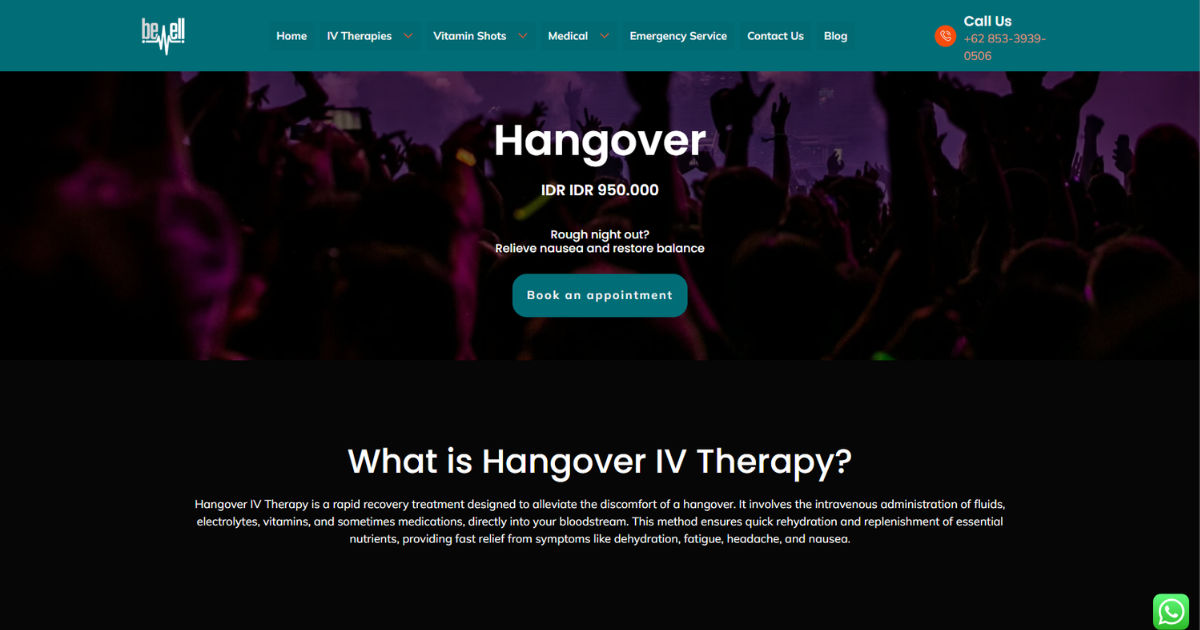
Hangovers occur due to several factors. Alcohol is a diuretic, which means it increases urine production, leading to dehydration. This dehydration can cause dizziness, headaches, and dry mouth. Alcohol also irritates the stomach lining, leading to nausea and vomiting.
Furthermore, drinking can lower blood sugar levels, contributing to fatigue and weakness. The accumulation of toxic byproducts, such as acetaldehyde, can also worsen symptoms.
Traditionally, people have relied on home remedies, such as drinking water, consuming electrolyte-rich drinks, and eating a balanced meal. However, in recent years, hangover IV therapy has emerged as a popular alternative.
This method claims to provide faster and more effective relief than conventional hydration and oral remedies. But is it truly better than drinking fluids?
What is Hangover IV Therapy?
Hangover IV therapy involves receiving a direct infusion of fluids, electrolytes, vitamins, and sometimes medications into the bloodstream through an intravenous line. Unlike drinking water or sports drinks, which must pass through the digestive system, IV therapy delivers nutrients directly into the blood. This method allows the body to absorb fluids and vitamins quickly and bypass the slow process of digestion.
Clinics offering hangover IV therapy often customize the infusion based on individual needs. Common ingredients include saline solution to rehydrate, B-complex vitamins to boost energy, vitamin C to support detoxification, and electrolytes like potassium and magnesium to restore balance. Some infusions may also contain anti-nausea medications or pain relievers.
The main selling point of hangover IV therapy is its speed. Many people report feeling relief within 30 to 60 minutes. For those who need to recover quickly for work or social commitments, this method can seem like an attractive option.
How Drinking Fluids Helps with Hangovers
Drinking fluids remains one of the most accessible ways to combat a hangover. Water helps replace lost fluids and rehydrates the body, reducing headaches and fatigue. Electrolyte-rich drinks, such as sports drinks or coconut water, can restore minerals like sodium, potassium, and magnesium, which are depleted during alcohol consumption.
Oral rehydration works gradually, as the digestive system absorbs liquids slowly. While this method may not provide the immediate boost offered by IV therapy, it is generally safe, inexpensive, and widely available. Drinking fluids can also be combined with other remedies, such as eating nutrient-rich foods, resting, and taking over-the-counter painkillers.
However, the effectiveness of drinking fluids depends on timing and quantity. Hydrating before, during, and after alcohol consumption can reduce the severity of a hangover. Waiting too long after drinking may limit the benefits, as dehydration and electrolyte imbalance have already set in.
Comparing Hangover IV Therapy and Drinking Fluids
When considering whether hangover IV therapy is better than drinking fluids, it is essential to examine several factors, including speed, effectiveness, convenience, and cost.
Speed of Relief
One of the most significant advantages of hangover IV therapy is speed. Because nutrients are delivered directly into the bloodstream, symptoms like headache, nausea, and fatigue can improve rapidly. Drinking fluids, in contrast, takes longer to show effects. Water and sports drinks must pass through the digestive system, which slows absorption and delays relief.
Effectiveness
Hangover IV therapy can address multiple symptoms simultaneously. It rehydrates the body, restores electrolytes, provides vitamins, and may include medications for nausea or pain. Drinking fluids mainly addresses dehydration and electrolyte loss but does not directly provide vitamins or medications. Therefore, IV therapy might offer a more comprehensive solution, particularly for severe hangovers.
Convenience
Drinking fluids can be done anywhere and anytime, making it highly convenient. IV therapy, however, requires a clinic visit, a trained professional to administer the infusion, and sometimes an appointment. For people in urgent need of relief, this extra effort may be justified, but for casual or mild hangovers, fluids may be sufficient.
Cost
Cost is a significant factor. Hangover IV therapy sessions can range from $100 to $500, depending on the clinic and ingredients used. Drinking water and electrolyte beverages are inexpensive and accessible, making them a practical solution for most people. Therefore, while IV therapy may provide faster and more comprehensive relief, it comes with a higher financial burden.
Risks and Considerations of Hangover IV Therapy
While hangover IV therapy can be effective, it is not without risks. Complications are rare but can include infection at the injection site, vein irritation, and allergic reactions to the solution. People with underlying medical conditions, such as kidney or heart problems, should consult a healthcare professional before undergoing IV therapy.
Another consideration is the lack of regulation in some areas. Not all clinics follow strict safety guidelines, and the composition of IV infusions can vary. It’s essential to choose licensed and reputable providers to minimize potential risks.
Finally, IV therapy treats the symptoms of a hangover but does not prevent them. The best way to avoid a hangover is responsible drinking, pacing alcohol intake, and staying hydrated during and after consumption.
Ingredients in Hangover IV Therapy
Understanding what goes into hangover IV therapy can help explain why it may be more effective than drinking fluids alone.
Saline Solution
Saline solution is the base fluid in most IV therapies. It replenishes lost fluids, corrects dehydration, and helps restore blood volume.
Electrolytes
Electrolytes like sodium, potassium, and magnesium are critical for nerve and muscle function. Alcohol depletes these minerals, contributing to fatigue, weakness, and muscle cramps. IV therapy can quickly restore electrolyte balance, whereas drinking fluids may only partially address deficiencies.
Vitamins
B-complex vitamins, such as B1, B6, and B12, are common in hangover IV therapy. These vitamins support energy metabolism and nervous system function. Vitamin C is often added for its antioxidant properties, helping the liver metabolize alcohol byproducts more efficiently.
Medications
Some IV therapies include anti-nausea medications, pain relievers, or antioxidants. This combination can target multiple symptoms at once, making IV therapy more comprehensive than drinking fluids alone.
Situations Where Hangover IV Therapy May Be Beneficial
While drinking fluids works for mild hangovers, there are situations where hangover IV therapy may be particularly useful:
- Severe hangovers: When dehydration, nausea, headache, and fatigue are intense, IV therapy can provide faster relief.
- Time-sensitive events: People who need to be alert for work, travel, or social commitments may prefer the speed of IV therapy.
- Frequent drinkers: Those who consume alcohol regularly may benefit from IV therapy to quickly replenish lost vitamins and electrolytes.
- Limited access to fluids: In situations where oral hydration is difficult, IV therapy can bypass the digestive system.
Limitations of Hangover IV Therapy
Despite its advantages, hangover IV therapy has limitations. It does not cure a hangover completely; it only alleviates symptoms. The therapy cannot remove toxins faster than the liver naturally metabolizes alcohol. Over-reliance on IV therapy may also encourage unhealthy drinking habits, as some individuals may see it as a quick fix for excessive alcohol consumption.
Furthermore, IV therapy may not address long-term consequences of alcohol consumption, such as liver damage, nutrient deficiencies, or mental health impacts. Drinking fluids, eating nutrient-rich foods, and resting are still essential components of overall recovery.
How to Maximize Hangover Recovery with Fluids
Even if someone chooses IV therapy, drinking fluids remains important. Water and electrolyte drinks help maintain hydration after the infusion ends. Combining IV therapy with oral hydration, rest, and a balanced diet ensures more sustained recovery.
Tips for effective oral hydration:
- Drink water consistently throughout the day, not just after drinking alcohol.
- Consume electrolyte-rich beverages to restore minerals.
- Include foods with high water content, such as fruits and vegetables.
- Avoid excessive caffeine, which can worsen dehydration.
Cost vs. Benefit: Hangover IV Therapy or Drinking Fluids?
Deciding whether hangover IV therapy is better than drinking fluids involves weighing the cost against the benefits. IV therapy offers speed, comprehensive nutrient delivery, and symptom relief. Drinking fluids is slower but safe, inexpensive, and effective for mild to moderate hangovers.
For occasional drinkers, oral hydration may be sufficient. For individuals experiencing severe hangovers or needing rapid recovery, IV therapy can be a valuable option. Ultimately, personal preference, budget, and severity of symptoms should guide the choice.
Conclusion
Both hangover IV therapy and drinking fluids have their place in hangover recovery. IV therapy is more effective for rapid relief and comprehensive symptom management, but it comes at a higher cost and requires professional administration. Drinking fluids is accessible, safe, and effective for most cases, but its effects take longer.
The best approach combines preventive measures with appropriate recovery strategies. Staying hydrated before, during, and after drinking, consuming a balanced diet, and resting remain essential. For those seeking quick relief, hangover IV therapy is a convenient and efficient solution.
In conclusion, while drinking fluids remains a reliable method for managing hangovers, hangover IV therapy offers advantages in speed, effectiveness, and comprehensive symptom relief. Choosing between the two depends on individual needs, circumstances, and budget. By understanding the mechanisms, benefits, and limitations of each method, individuals can make informed decisions to recover safely and effectively.