
Vegetarian arabic appetizers are a colorful and flavorful part of Middle Eastern cuisine that focus on plant-based ingredients such as vegetables, legumes, herbs, grains, and dairy.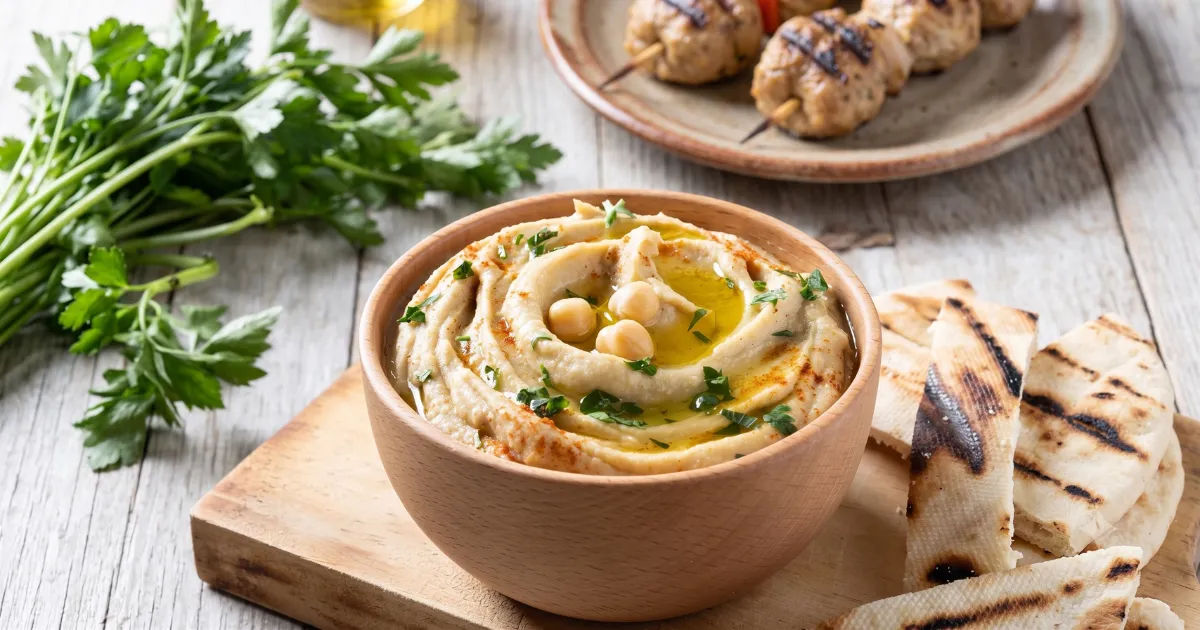
These dishes are often served before the main meal and are meant to stimulate the appetite while offering a variety of textures and tastes. Many people around the world enjoy arabic appetizers because they are fresh, healthy, and easy to share.In vegetarian form, arabic appetizers become even more appealing for people who avoid meat but still want rich and satisfying food.
From creamy dips like hummus to fresh salads like tabbouleh, these dishes show how simple ingredients can create bold flavors. In this guide, you will explore what makes vegetarian arabic appetizers special, how they are prepared, and why they are loved across cultures.
The Cultural Importance of Arabic Appetizers
In Middle Eastern culture, food is not just about eating; it is about sharing and hospitality. Vegetarian arabic appetizers play a major role in this tradition. They are often served in large platters, allowing everyone at the table to try a little of everything.
Families and guests gather around a table filled with arabic appetizers, creating a warm and welcoming atmosphere. These dishes represent generosity and connection. Even simple meals feel festive when a variety of arabic appetizers are present.
Unlike fast food or single-plate meals, this style of eating encourages slow dining and conversation. That is why arabic appetizers are central to social gatherings, celebrations, and even everyday meals in many Middle Eastern homes.
Common Ingredients in Vegetarian Arabic Appetizers
Vegetarian arabic appetizers rely on fresh and natural ingredients. These ingredients are not only flavorful but also highly nutritious.
Legumes and Grains
Chickpeas, lentils, bulgur, and beans are widely used. Chickpeas, for example, are the base of hummus and falafel, two of the most famous arabic appetizers.
Vegetables
Eggplants, tomatoes, cucumbers, parsley, mint, and bell peppers are common. These vegetables add freshness and crunch to many arabic appetizers.
Dairy Products
Yogurt and labneh are often used in creamy dips. They add richness while keeping vegetarian arabic appetizers light and healthy.
Herbs and Spices
Cumin, sumac, garlic, lemon, olive oil, and fresh herbs give depth and aroma. These ingredients are essential in making arabic appetizers taste authentic and balanced.
Popular Vegetarian Arabic Appetizers
There are many vegetarian options in Middle Eastern cuisine. Each dish has its own unique flavor and texture.
Hummus
Hummus is one of the most famous arabic appetizers in the world. It is made from blended chickpeas, tahini, lemon juice, garlic, and olive oil. The result is a creamy and smooth dip that is both filling and nutritious.
It is usually served with pita bread or fresh vegetables. Hummus is rich in protein, making it a favorite among vegetarian arabic appetizers.
Baba Ghanoush
Baba ghanoush is a smoky eggplant dip that is another popular choice among arabic appetizers. The eggplant is roasted until soft, then blended with tahini, garlic, lemon juice, and olive oil.
Its smoky flavor makes it different from hummus, but equally delicious. Many people enjoy pairing baba ghanoush with other arabic appetizers on a mezze platter.
Tabbouleh
Tabbouleh is a fresh salad made with parsley, tomatoes, mint, bulgur wheat, lemon juice, and olive oil. It is light, refreshing, and full of vitamins.
Among vegetarian arabic appetizers, tabbouleh stands out for its bright green color and tangy taste. It is often served chilled and eaten with lettuce or pita bread.
Falafel
Falafel is made from ground chickpeas or fava beans mixed with herbs and spices, then deep-fried until crispy. It is one of the most filling arabic appetizers and is often served in wraps or with tahini sauce.
Even though it is fried, falafel remains a vegetarian favorite because it is high in protein and fiber. It is a key part of many arabic appetizers platters.
Stuffed Grape Leaves (Dolma)
Stuffed grape leaves are filled with rice, herbs, and sometimes vegetables. They are rolled tightly and cooked until tender.
These delicate bites are an important part of vegetarian arabic appetizers. They are often served cold with lemon juice and olive oil, making them refreshing and flavorful.
Fattoush
Fattoush is a salad made with fresh vegetables and toasted pita bread. It is seasoned with sumac, lemon, and olive oil.
This crunchy and tangy dish is one of the most popular arabic appetizers in Levantine cuisine. It combines texture and freshness in every bite.
Labneh
Labneh is a thick strained yogurt that is often served with olive oil and herbs. It is creamy, slightly tangy, and very versatile.
As one of the simplest arabic appetizers, labneh can be eaten with bread, vegetables, or olives. It is a staple in many Middle Eastern homes.
Health Benefits of Vegetarian Arabic Appetizers
Vegetarian arabic appetizers are not only delicious but also very healthy. They are often made with fresh ingredients and minimal processing.
Rich in Nutrients
Most arabic appetizers contain vitamins, minerals, and antioxidants from vegetables, legumes, and herbs.
High in Fiber
Dishes like hummus, falafel, and tabbouleh provide a good amount of dietary fiber, which helps digestion.
Heart-Friendly
Olive oil, nuts, and legumes used in arabic appetizers support heart health and reduce bad cholesterol.
Plant-Based Protein
Chickpeas and lentils provide protein, making vegetarian arabic appetizers a great option for non-meat eaters.
How Vegetarian Arabic Appetizers Are Served
Vegetarian arabic appetizers are usually served as part of a mezze platter. Mezze is a selection of small dishes shared among guests.
A typical table may include hummus, baba ghanoush, falafel, tabbouleh, and other arabic appetizers arranged beautifully on plates.
These dishes are often eaten with pita bread, flatbread, or fresh vegetables. The idea is to mix and match different arabic appetizers to create unique flavor combinations.
Spice and Flavor Profile
The flavor of vegetarian arabic appetizers is balanced and refreshing. They are not overly spicy but rely on natural herbs and spices.
Common flavor notes include:
- Tangy lemon
- Earthy cumin
- Smoky eggplant
- Fresh parsley and mint
- Nutty tahini
These flavors make arabic appetizers appealing to a wide range of taste preferences.
Tips for Making Arabic Appetizers at Home
If you want to prepare vegetarian arabic appetizers at home, here are some simple tips:
Use Fresh Ingredients
Fresh vegetables and herbs make a big difference in taste.
Balance Flavors
Combine sour, salty, and earthy flavors to achieve authentic arabic appetizers taste.
Do Not Overcook
Many arabic appetizers taste better when ingredients are lightly cooked or raw.
Use Olive Oil Generously
Olive oil adds richness and smooth texture to many dishes.
Modern Variations of Arabic Appetizers
Today, chefs around the world are creating new versions of traditional arabic appetizers. Some include fusion ingredients like avocado hummus or quinoa tabbouleh.
Despite these changes, the core idea of arabic appetizers remains the same: fresh, healthy, and shareable food.
Restaurants often present arabic appetizers in creative ways, but the traditional recipes are still the most loved.
Why People Love Vegetarian Arabic Appetizers
There are many reasons why vegetarian arabic appetizers are popular globally:
- They are healthy and nutritious
- They are easy to prepare
- They offer a variety of flavors
- They are suitable for vegetarians and vegans
- They are perfect for sharing
The diversity of arabic appetizers makes them suitable for casual meals, parties, and festive occasions.
Conclusion
Vegetarian arabic appetizers are a beautiful expression of Middle Eastern culinary tradition. They combine fresh ingredients, bold flavors, and cultural meaning in every dish. From creamy hummus to crunchy fattoush, each item brings something unique to the table.
These dishes are not only healthy but also deeply social, encouraging sharing and togetherness. Whether enjoyed at home or in a restaurant, arabic appetizers continue to connect people through food.
As more people explore plant-based eating, vegetarian arabic appetizers are becoming even more popular worldwide. Their simplicity, nutrition, and taste make them a timeless choice for any meal.
In the end, arabic appetizers are more than just food—they are a celebration of culture, health, and community.