
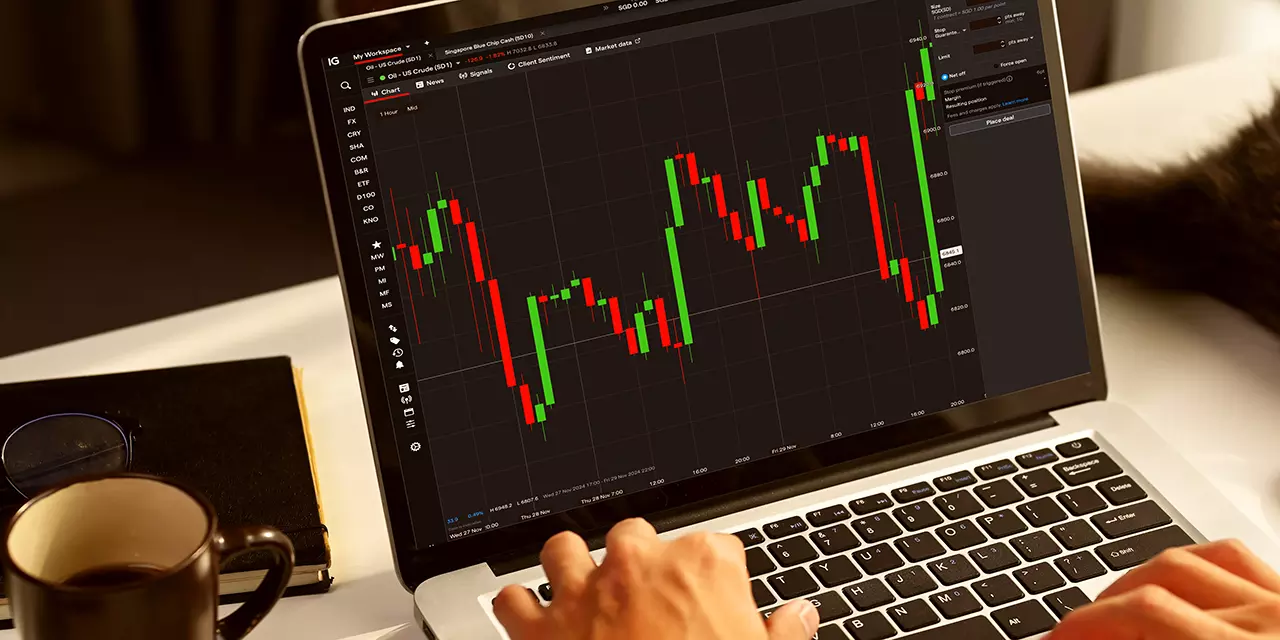
Trading in the global currency markets has become increasingly accessible, with forex futures trading offering opportunities for both hedging and speculation. While understanding currency trends and technical analysis is essential, one often-overlooked factor is the timing of trades. Futures trading hours significantly impact liquidity, volatility, and market behavior, making them a critical consideration for traders entering forex futures markets. This article explores why understanding trading hours is vital and how it can influence strategy, risk management, and overall trading success.
What Is Forex Futures Trading?
Forex futures trading involves buying or selling standardized contracts based on the value of a currency pair at a future date. Unlike spot forex trading, which occurs over-the-counter, futures contracts are traded on regulated exchanges, such as the Chicago Mercantile Exchange (CME).
Key features of forex futures include:
- Standardized Contracts: Contract size, expiration, and specifications are set by the exchange.
- Leverage: Traders can control large positions with a smaller margin, amplifying both gains and losses.
- Transparency: Exchange-traded contracts provide real-time pricing and clear settlement processes.
- Hedging and Speculation: Participants can manage currency risk or profit from expected market movements.
While forex futures offer unique advantages, trading success relies on understanding when markets are most active—making futures trading hours a critical factor.
Understanding Futures Trading Hours
Futures trading hours refer to the scheduled times during which exchange-traded futures contracts can be bought and sold. Unlike spot forex, which operates 24/5 globally, futures exchanges have specific trading sessions, often including:
- Regular Trading Hours (RTH): Typically the core business hours when liquidity is highest.
- Extended or Electronic Trading Hours (ETH): Off-hour sessions allowing global participants to trade, but often with lower liquidity and wider spreads.
For forex futures, trading hours vary depending on the currency pair and the exchange. Understanding these hours helps traders plan entries, exits, and risk management strategies more effectively.
Why Futures Trading Hours Matter in Forex Markets
Timing trades is crucial because liquidity and volatility fluctuate throughout the day. Here’s why futures trading hours are important for forex traders:
1. Liquidity Peaks
The overlap of major global trading sessions—such as London and New York—creates high liquidity in currency markets. During these times, bid-ask spreads narrow, order execution improves, and price movements reflect broader market sentiment.
2. Volatility Considerations
Market volatility is not uniform throughout the trading day. News releases, economic reports, and geopolitical events often coincide with active sessions, influencing price swings. Trading during periods of high volatility can present both opportunities and risks.
3. Optimal Strategy Execution
Certain trading strategies, such as scalping or day trading, depend heavily on market activity. Understanding futures trading hours allows traders to implement strategies when conditions are most favorable.
4. Risk Management
Trading outside high-liquidity periods can result in slippage and wider spreads, increasing risk. By aligning trades with active hours, traders can manage exposure more effectively and maintain better control over potential losses.
Tips for Incorporating Trading Hours into Forex Futures Strategies
Traders can improve performance in forex futures trading by considering the following:
Step 1: Know the Exchange Schedule
Identify the opening and closing times of the exchange where the currency futures are listed. Include both regular and extended trading hours in your planning.
Step 2: Align With Global Market Sessions
Focus on periods when major currency hubs are active. For example, the overlap of London and New York sessions often offers the highest trading activity.
Step 3: Monitor Economic Calendars
Economic announcements, interest rate decisions, and geopolitical events can significantly affect currency prices. Aligning trades with futures trading hours around these events enhances opportunities while managing risk.
Step 4: Adjust Strategies for Liquidity
During lower-liquidity periods, avoid high-risk strategies that require tight spreads or rapid execution. Use these periods for analysis, planning, or long-term positioning.
Step 5: Practice with Paper Trading
Simulated trading during different sessions allows traders to understand how liquidity and volatility affect price movements, execution speed, and strategy effectiveness without risking real capital.
Benefits of Timing Trades According to Trading Hours
Adhering to futures trading hours offers several advantages:
- Improved Execution: Trades are filled at expected prices with minimal slippage.
- Better Risk Control: Volatility can be anticipated and managed more effectively.
- Strategic Advantage: Knowledge of active sessions allows traders to capitalize on market movements efficiently.
- Enhanced Learning: Beginners gain insights into how time-of-day influences currency futures dynamics.
Understanding these factors can transform trading outcomes, turning a novice approach into a structured and informed strategy.
Conclusion
While technical analysis, fundamental research, and market knowledge are vital in forex futures trading, ignoring futures trading hours can lead to missed opportunities or unnecessary risks. Timing trades to align with active market periods ensures optimal liquidity, tighter spreads, and better execution.
Traders entering forex futures markets should plan around exchange hours, monitor global trading sessions, and adapt strategies to match volatility and liquidity patterns. Combining this awareness with sound risk management and simulated practice provides a solid foundation for consistent success in forex futures trading.
By integrating knowledge of trading hours into strategy development, traders can navigate the complexities of forex futures markets more effectively, maximizing both learning and potential profitability.