
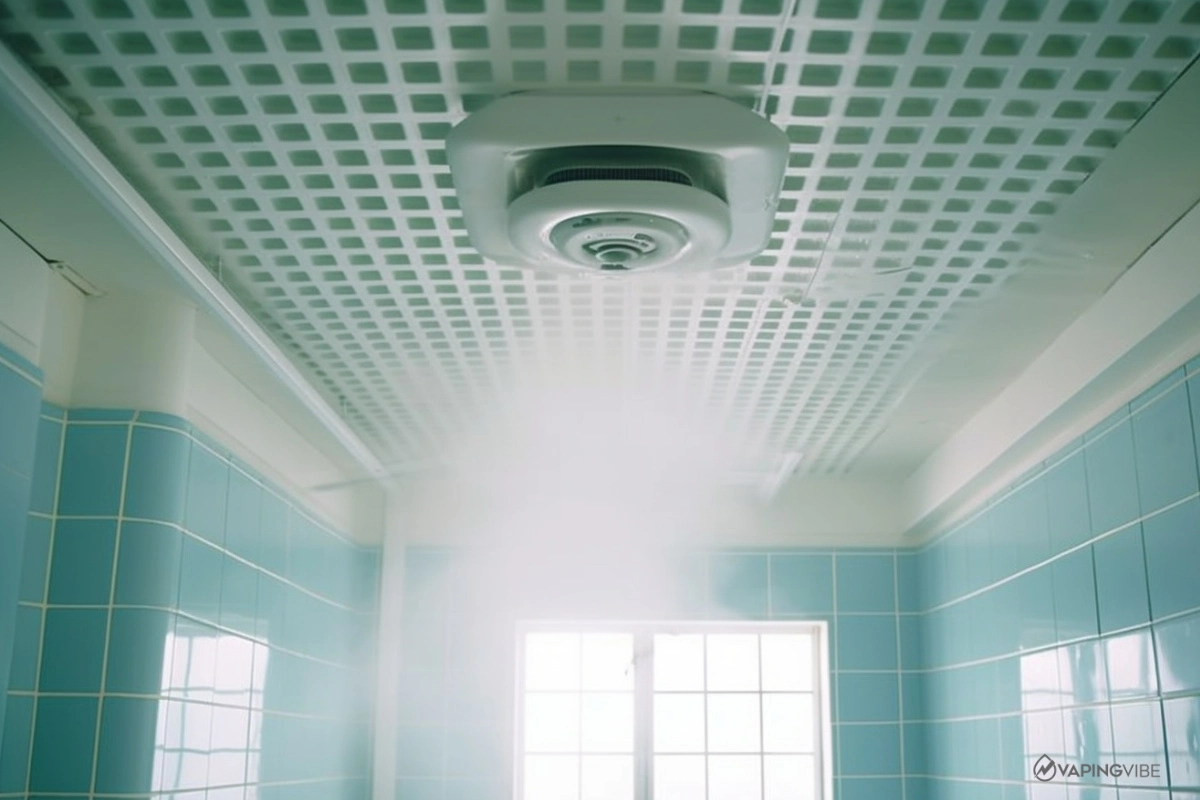
In Recent epoch age, vape detectors have become progressively park in schools, workplaces, and even public buildings. Designed to identify the front of vaping, these devices are hailed by some as vital tools for maintaining safety and enforcing policies against vaping in impermissible areas. However, others resurrect concerns about the potentiality intrusion of concealment these detectors might stand for. This deliberate highlights the complex poise between safety measures and individual privacy rights.
The Rise of Vape Detectors
Vaping, often marketed as a safer choice to smoking, has full-grown well in popularity, especially among teenagers and young adults. Unfortunately, many acquisition institutions and employers have seen vaping as a wellness and trait issue, given its addictive nature and the terra incognita long-term wellness effects. Vape detectors aim to address this trouble by alerting regime when vaping occurs in restricted spaces.
Typically, vape detectors are natural philosophy that feel chemicals or aerosols emitted from vaping devices. When the detector identifies vape particles, it can activate an horrify or notify staff via a connected system. Proponents argue that this applied science helps produce safer, healthier environments by dissuasive vaping in areas where it s illegal, such as cultivate bathrooms or offices.
Privacy Concerns: Are They Watching Too Closely?
Despite these advantages, secrecy advocates wonder whether bathroom vape detector transgress boundaries. One primary feather bear on is the potency for surveillance sneak away where a device introduced for a specific purpose bit by bit becomes part of broader monitoring systems. Though vape detectors are not designed to tape sound, video, or identify individuals, their power to cut through deportment in buck private or semi-private spaces still feels plutonic to some.
The installation of vape detectors in bathrooms, for example, has inflated eyebrows. Bathrooms are traditionally advised private spaces where individuals freedom from surveillance. Even though vape detectors don t visually record populate, the idea of being monitored chemically may feel like an encroachment of personal privacy, leadership to uncomfortableness or distrust among users.
Balancing Safety and Privacy
The core question is whether the benefits of vape detectors warrant their trespass. Advocates emphasise the wellness risks of vaping, especially to minors, and the grandness of enforcing anti-vaping rules in effect. From this position, vape detectors help prevent vaping-related incidents, elevat a fitter environment, and even dissuade nonaged use.
On the other hand, concealment concerns play up the risk of normalizing monitoring. If vape detectors become bromide, will other forms of surveillance watch over? How much verify should institutions have over individuals conduct in spaces traditionally seen as private? These are indispensable questions in an era where integer and natural science concealment are under profit-maximising scourge.
Legal and Ethical Considerations
Legally, vape detectors generally do not violate secrecy laws since they do not capture identifying entropy or record communications. However, ethical considerations around accept and transparentness stay on key. Institutions using vape detectors should inform occupants about the presence of these , their purpose, and found policies on data use and retentivity.
Conclusion
Vape detectors represent a collide between the want to protect wellness and maintain enjoin, and the imperative to observe somebody concealment. While they volunteer concrete benefits in curb vaping in verboten areas, their use must be with kid gloves equal with transparence and honor for subjective boundaries. Open negotiation among stakeholders including students, employees, parents, and administrators can help ascertain that refuge does not come at the cost of secrecy, and that rely is saved in divided up spaces. Ultimately, the wonder isn t just whether vape detectors are incursive, but how society chooses to navigate the evolving relationship between engineering, privacy, and refuge.