
In today’s digital world, communication is instantaneous, and businesses need efficient channels to connect with their customers. One of the most powerful tools for this is the WhatsApp API provider.
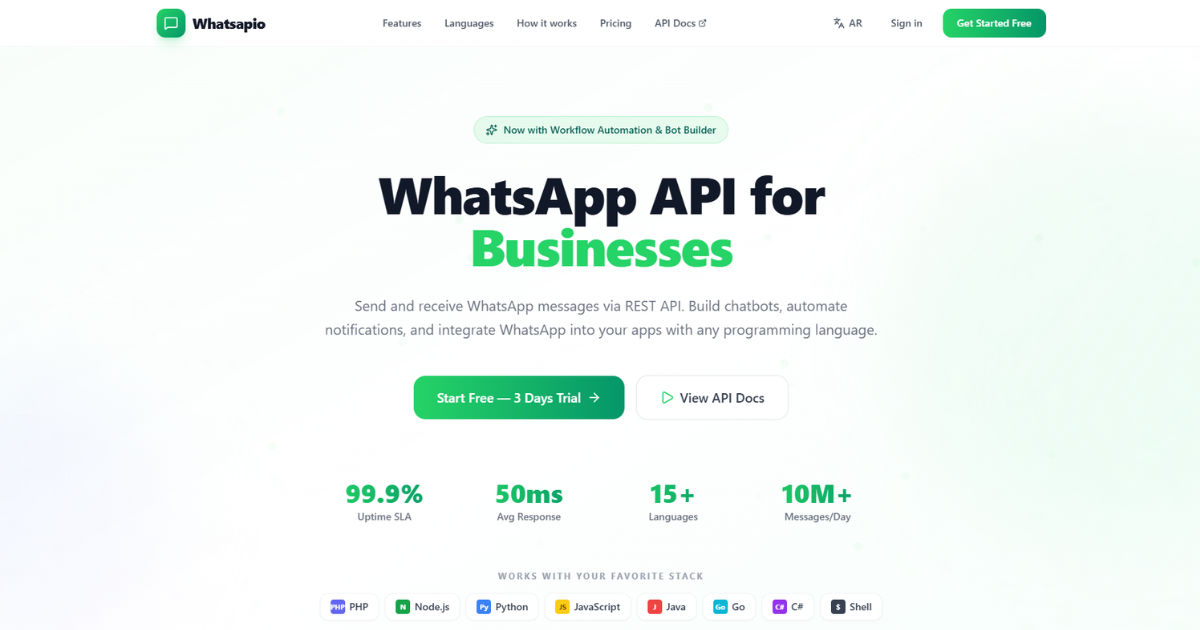 Businesses can send messages, notifications, and alerts automatically using WhatsApp, making communication faster and more organized.
Understanding how the workflow works in a WhatsApp API provider setup is essential for anyone looking to integrate WhatsApp into their business operations. This guide will take you through everything step by step, making it simple to understand.
What is a WhatsApp API Provider?
A WhatsApp API provider is a service that allows businesses to connect their systems with WhatsApp in a structured and automated way. Unlike the regular WhatsApp app, which is designed for personal use, the API is meant for business communication at scale. It helps businesses send notifications, alerts, promotional messages, or support responses automatically without manual intervention.
Some key benefits of using a WhatsApp API provider include:
- Sending messages in bulk to multiple customers.
- Automating customer support and responses.
- Tracking message delivery and read receipts.
- Integrating WhatsApp with other business tools like CRMs, chatbots, or e-commerce platforms.
By leveraging a WhatsApp API provider, businesses can improve customer engagement while saving time and resources.
How the Workflow Starts: Account and API Setup
Before a business can send messages, it must set up a WhatsApp Business Account through a WhatsApp API provider. Here’s how the initial workflow works:
1. Registering a Business Account
The first step is to create a WhatsApp Business Account. This includes:
- Verifying your business phone number.
- Providing business details like name, website, and category.
- Setting up a display profile for customer recognition.
This step ensures that your business is officially recognized by WhatsApp, which is essential for compliance and message delivery.
2. Choosing a WhatsApp API Provider
Once the business account is ready, the next step is to select a WhatsApp API provider. The provider acts as a bridge between your systems and WhatsApp servers. Popular providers often offer features like:
- Cloud hosting for the WhatsApp API.
- Secure message transmission.
- Integration tools for chatbots, CRMs, and analytics.
The workflow here involves signing up with the provider, receiving API credentials, and configuring the system to start sending and receiving messages.
3. Connecting Your Systems
After selecting a WhatsApp API provider, businesses need to integrate their internal systems. This may include:
- CRM systems for customer management.
- Marketing automation tools.
- Helpdesk software for support queries.
The API provider gives documentation and technical support to make the integration smooth. Once connected, the workflow can begin to automate messaging based on triggers and events.
How Messages Flow in WhatsApp API
Once setup is complete, understanding how messages move through the workflow is crucial. The workflow typically has multiple stages.
1. Sending Messages
Messages in a WhatsApp API provider setup can be initiated in several ways:
- Manual trigger: A staff member sends a message from a CRM system or dashboard.
- Automated trigger: The system automatically sends messages based on events like purchase confirmation, appointment reminders, or subscription renewals.
The API provider ensures the messages comply with WhatsApp policies. Templates may be required for pre-approved messages, especially for notifications or promotional content.
2. Message Delivery
Once the message is sent:
- The WhatsApp API provider transmits it securely to WhatsApp servers.
- WhatsApp then delivers it to the recipient’s phone.
- Delivery and read statuses are returned to the provider.
The workflow at this stage ensures tracking and reporting. Businesses can see which messages were successfully delivered, which were read, and which failed.
3. Receiving Messages
The workflow also handles incoming messages. Customers may respond to automated messages or initiate new conversations. The WhatsApp API provider captures these messages and forwards them to:
- CRM systems.
- Chatbots or automated response systems.
- Customer support agents.
This part of the workflow is essential for interactive communication and ensures no message is missed.
Automation in WhatsApp API Workflow
Automation is the backbone of the WhatsApp API provider workflow. Businesses can reduce manual effort and provide timely communication to customers. Here’s how automation works:
1. Chatbots
Chatbots are pre-programmed responders that interact with customers. Using a WhatsApp API provider, businesses can set up chatbots to:
- Answer FAQs automatically.
- Route complex queries to human agents.
- Schedule follow-ups and reminders.
The workflow is simple: a customer sends a message, the chatbot receives it via the API, and responds instantly.
2. Trigger-Based Messaging
Trigger-based automation allows businesses to send messages based on specific events. For example:
- Sending a confirmation message after a purchase.
- Notifying customers when their order is shipped.
- Alerting users about subscription renewals.
The API provider ensures the workflow processes these triggers reliably and sends messages without delays.
3. Bulk Messaging
Bulk messaging is another key feature in a WhatsApp API provider setup. Businesses can schedule campaigns or broadcast messages to a large audience. The workflow involves:
- Uploading a contact list to the system.
- Preparing message templates.
- Scheduling the sending process.
The API provider handles delivery, ensures compliance, and tracks engagement metrics.
Security in WhatsApp API Workflow
Security is a critical aspect of the WhatsApp API provider workflow. Businesses must ensure customer data is safe while using automation. Key security measures include:
- End-to-end encryption: Messages remain secure between sender and recipient.
- Access control: Only authorized personnel can use the API credentials.
- Data protection policies: Providers follow global standards like GDPR for handling user data.
Ensuring security in the workflow protects your business and builds customer trust.
Monitoring and Analytics
A complete WhatsApp API workflow is not just about sending messages—it’s also about monitoring performance. Most WhatsApp API providers offer analytics dashboards that track:
- Delivery and read rates.
- Response times.
- Engagement metrics for campaigns.
This workflow allows businesses to optimize their messaging strategy, improve customer engagement, and reduce costs.
Common Challenges in WhatsApp API Workflow
Even with a robust WhatsApp API provider, businesses may face challenges:
- Template approval delays: Pre-approved message templates are required for certain messages.
- Integration issues: Connecting CRM or marketing systems may require technical expertise.
- Message limits: Some providers have restrictions on daily message volumes.
- Customer opt-out: Managing preferences and opt-outs is critical for compliance.
Understanding these challenges helps businesses design workflows that are smooth and efficient.
Best Practices for Efficient Workflow
To get the most out of a WhatsApp API provider, follow these best practices:
- Use approved message templates for notifications.
- Segment your audience to send relevant messages.
- Automate repetitive tasks to save time and reduce errors.
- Monitor performance metrics regularly to improve workflow efficiency.
- Ensure compliance with WhatsApp policies and privacy laws.
By following these practices, businesses can maintain a reliable workflow and improve customer communication.
Conclusion
The workflow in a WhatsApp API provider setup is designed to make business communication seamless, automated, and efficient. From setting up a business account and selecting a provider to sending and receiving messages, every step plays a crucial role. Automation, security, and monitoring are key to a successful workflow, ensuring timely and reliable communication with customers. By understanding and implementing this workflow, businesses can enhance engagement, improve customer satisfaction, and streamline operations.
Using a WhatsApp API provider allows businesses to scale messaging, maintain security, and integrate easily with existing tools. Whether it’s automated notifications, bulk messaging, or chatbot integration, the workflow ensures that messages are delivered accurately and efficiently.
Overall, mastering the WhatsApp API workflow is essential for any business looking to leverage WhatsApp as a professional communication channel.