
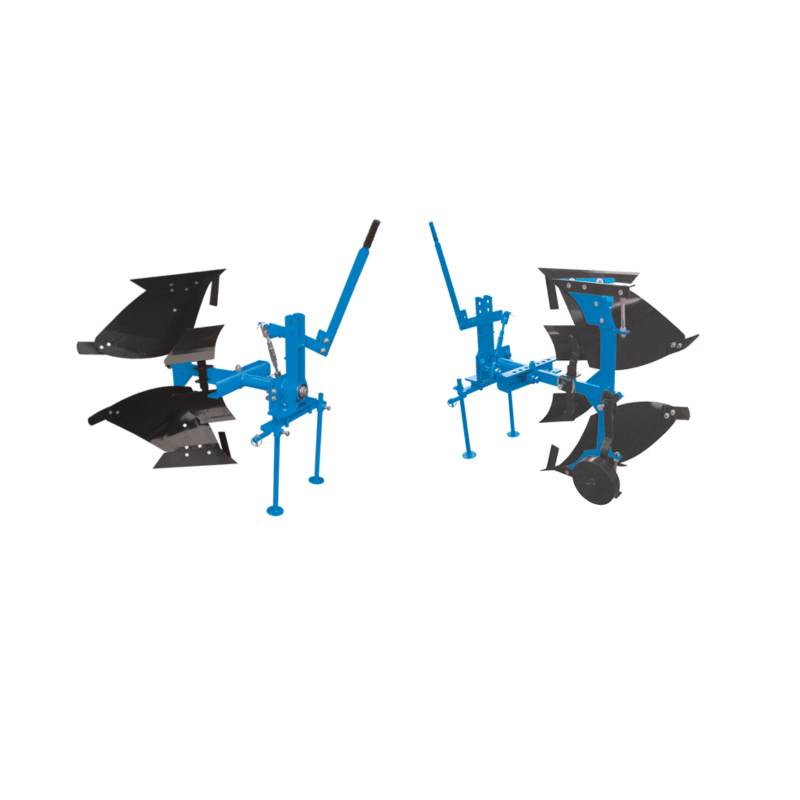
In the 21st century, agriculture is undergoing a radical transformation, driven largely by advancements in smart machinery. With the global population projected to surpass 9 billion by 2050, the demand for efficient, sustainable, and high-yield farming has never been greater. Smart machinery—combining robotics, artificial intelligence (AI), GPS technology, and the Internet of Things (IoT)—is revolutionizing the way farmers cultivate, monitor, and harvest crops. Mounted Bottow Plow.
One of the most significant innovations in modern agriculture is the autonomous tractor. Equipped with GPS navigation and machine learning algorithms, these tractors can operate with minimal human intervention, accurately following pre-set routes and adjusting in real-time to field conditions. This automation not only reduces labor costs but also increases precision, minimizing overlaps and wasted inputs like seeds, fertilizer, and fuel.
Similarly, drones and aerial imaging tools are giving farmers an eye in the sky, providing detailed insights into crop health, soil conditions, and pest infestations. These unmanned aerial vehicles (UAVs) can scan vast areas in minutes, capturing multispectral images that reveal problems invisible to the naked eye. Farmers can then make targeted interventions, such as applying pesticides only where needed, reducing chemical use and environmental impact.
Smart irrigation systems are another breakthrough. By using soil moisture sensors and weather data, these systems deliver water exactly when and where it’s needed. This precision conserves water—an increasingly scarce resource—while optimizing plant growth. In areas prone to drought, such systems are not just efficient, but essential.
Harvesting has also become more efficient thanks to robotic harvesters. These machines, powered by AI, can identify ripe produce and pick it with remarkable accuracy and care. This is particularly valuable for labor-intensive crops like strawberries or apples, where manual harvesting has traditionally been slow and expensive. By reducing reliance on seasonal labor, robotic harvesters also help stabilize production costs.
Moreover, the data collected by smart machinery is driving a new era of data-driven farming, often referred to as precision agriculture. Sensors embedded in equipment continuously gather information on soil quality, weather conditions, and crop performance. Farmers can analyze this data to make informed decisions about planting schedules, crop varieties, and resource allocation, leading to higher yields and reduced waste.
The benefits of smart agriculture are not only economic but also environmental. By optimizing inputs and reducing excess, smart machinery helps lower greenhouse gas emissions, conserve biodiversity, and prevent soil degradation. It aligns with the goals of sustainable farming, ensuring that agriculture can meet current needs without compromising the ability of future generations to do the same.
Despite these advantages, challenges remain, particularly for small-scale farmers who may lack the capital or infrastructure to adopt such technologies. However, as smart machinery becomes more affordable and accessible, its transformative potential will only grow.
In conclusion, smart machinery is redefining agriculture in the 21st century, making it more efficient, sustainable, and resilient. As innovation continues to accelerate, the future of farming looks not only smarter but also more secure—for farmers, consumers, and the planet alike.