
A pondless water feature installation is one of the most popular modern landscaping choices for homeowners who want the sound and beauty of running water without a visible pond.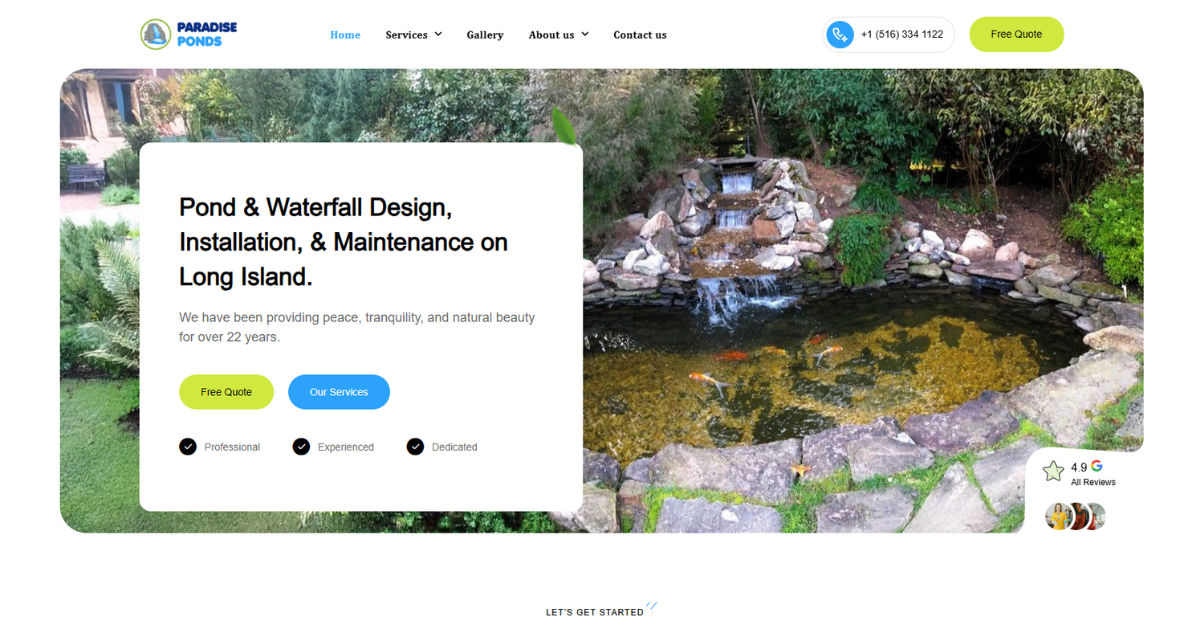
In a pondless water feature installation, water still exists in a system—but instead of sitting in an open pond, it is safely stored underground and continuously recycled.
A pondless water feature installation works by hiding a reservoir below the surface, allowing water to flow over rocks, waterfalls, or streams and then disappear into a concealed basin. Many people choose a pondless water feature installation because it is safer, easier to maintain, and fits even small outdoor spaces.
In this guide, you will learn exactly how a pondless water feature installation stores water, how the system works, what parts are involved, and why it has become such a smart landscaping solution.
The Concept of a Pondless Water System
A pondless water feature installation is designed to give the visual and audio effect of water without showing a traditional pond. Instead of leaving water exposed, the system stores it underground.
In a pondless water feature installation, water is not lost or drained. It is captured in a hidden reservoir, then pumped back to the top of the waterfall or stream. This cycle continues repeatedly.
The reason a pondless water feature installation is called “pondless” is because the water disappears into gravel or stones at the surface, creating a clean and natural appearance.
How a Pondless Water Feature Installation Stores Water
The key question is: how does a pondless water feature installation actually store water?
The answer lies in the underground reservoir system. In a pondless water feature installation, water collects in a large plastic basin or underground vault filled with open space. This empty space allows water to safely gather without being visible.
A pondless water feature installation stores water in three main ways:
- Underground reservoir basin
- Void spaces between rocks and gravel
- Storage vault chambers designed for water collection
When water flows down a waterfall in a pondless water feature installation, it disappears into the gravel surface. Beneath that gravel, water enters the reservoir and waits to be pumped back up.
A pondless water feature installation is essentially a hidden recycling system where water is always stored below the surface.
Main Components of a Pondless Water System
A pondless water feature installation relies on several important components working together. Without these parts, the water cannot be stored or circulated properly.
Underground Reservoir Basin
In every pondless water feature installation, the reservoir is the most important storage area. This basin is usually made of durable plastic and placed below ground level.
The reservoir in a pondless water feature installation holds all the water when it is not flowing. It is strong enough to support rocks, gravel, and soil above it.
Pump System
The pump in a pondless water feature installation moves water from the reservoir back to the top of the waterfall.
Without the pump, a pondless water feature installation would not function. The pump ensures continuous water movement and keeps the feature active.
Vault Chambers
Some modern pondless water feature installation systems use vaults—special plastic cages that protect the pump and create extra storage space for water.
These vaults help a pondless water feature installation store water more efficiently while making maintenance easier.
Gravel and Stone Cover
The surface of a pondless water feature installation is covered with decorative rocks or gravel. These stones hide the reservoir while allowing water to pass through.
When water disappears into the surface of a pondless water feature installation, it flows through gaps between stones into the underground storage.
Step-by-Step Water Storage Process
To fully understand how a pondless water feature installation stores water, it helps to follow the water step by step.
Step 1: Water Flows Down the Feature
In a pondless water feature installation, water starts at the top of a waterfall or stream. Gravity pulls it downward over rocks.
Step 2: Water Disappears into Gravel
Instead of collecting in a visible pond, the water in a pondless water feature installation disappears into gravel or stone.
This is where the hidden storage process begins in a pondless water feature installation.
Step 3: Water Enters Underground Basin
Below the surface, water flows into the reservoir of the pondless water feature installation.
This basin holds a large volume of water that is not visible above ground.
Step 4: Pump Recirculates Water
A pump inside the pondless water feature installation sends the stored water back to the top of the waterfall.
This creates a continuous cycle.
Step 5: Cycle Repeats
The same water in a pondless water feature installation is reused again and again, making the system efficient and eco-friendly.
Why Underground Storage is Effective
The underground storage system is what makes a pondless water feature installation so practical.
A pondless water feature installation stores water efficiently because:
- It reduces evaporation
- It protects water from debris
- It keeps the yard safe and clean
- It allows installation in small spaces
In a pondless water feature installation, the reservoir is hidden, which improves safety for children and pets.
Water Circulation in Pondless Systems
Water circulation is the heart of a pondless water feature installation. Without proper flow, the stored water would remain still.
In a pondless water feature installation, circulation works like this:
- Water collects in the underground reservoir
- Pump pushes water upward
- Water flows down decorative rocks
- Water returns to reservoir
This loop defines how a pondless water feature installation keeps water moving constantly.
Maintenance of Water Storage System
Even though a pondless water feature installation is low maintenance, it still needs care to keep water storage clean and efficient.
Checking Water Levels
A pondless water feature installation may lose water due to evaporation. Regular checking ensures the reservoir stays full.
Cleaning the Reservoir
Over time, a pondless water feature installation may collect dirt. Cleaning the basin ensures proper storage and flow.
Pump Maintenance
The pump in a pondless water feature installation must be checked regularly to avoid clogging and failure.
Seasonal Care
In colder climates, a pondless water feature installation may need winter preparation to protect stored water and equipment.
Benefits of Underground Water Storage
A pondless water feature installation offers many advantages because of its hidden water storage system.
Safety Advantage
Since water is stored underground in a pondless water feature installation, there is no open pond, making it safer for families.
Space Efficiency
A pondless water feature installation can fit into small yards because it does not require a large open water area.
Natural Appearance
The hidden storage in a pondless water feature installation creates a clean and natural landscape look.
Water Conservation
Because water is recycled in a pondless water feature installation, it uses less water compared to traditional fountains.
Design Options for Pondless Features
A pondless water feature installation can be designed in many creative ways.
Waterfalls
Many homeowners choose a pondless water feature installation with a cascading waterfall.
Streams
A pondless water feature installation can also include a small flowing stream that disappears underground.
Rock Gardens
Some designs use natural rock formations in a pondless water feature installation for a rustic look.
Modern Minimalist Designs
A pondless water feature installation can also be built with sleek stone slabs for a modern appearance.
Common Mistakes in Water Storage Systems
Even though a pondless water feature installation is simple, mistakes can affect water storage.
Incorrect Reservoir Size
If the basin in a pondless water feature installation is too small, it cannot store enough water.
Poor Pump Selection
A weak pump in a pondless water feature installation reduces water circulation efficiency.
Improper Gravel Placement
Incorrect gravel setup can block water flow in a pondless water feature installation.
Lack of Maintenance
Without cleaning, a pondless water feature installation may experience reduced storage performance.
Environmental Impact
A pondless water feature installation is environmentally friendly because it recycles water continuously.
In a pondless water feature installation, there is no need for constant fresh water supply. This reduces waste and supports sustainable landscaping.
The underground storage system in a pondless water feature installation also reduces algae growth and water contamination.
Long-Term Performance of Water Storage
A well-built pondless water feature installation can last many years with proper care.
The underground reservoir in a pondless water feature installation is durable and designed for long-term water storage.
With routine maintenance, a pondless water feature installation continues to provide beauty and relaxation without major repairs.
Why Homeowners Prefer Pondless Systems
More homeowners are choosing a pondless water feature installation because it combines beauty, safety, and simplicity.
A pondless water feature installation is ideal for:
- Small gardens
- Modern landscapes
- Family homes
- Commercial spaces
The hidden water storage makes a pondless water feature installation practical and visually appealing.
Future of Pondless Water Technology
Modern pondless water feature installation systems are becoming more advanced.
New designs improve water storage efficiency, reduce energy use, and make installation easier.
A pondless water feature installation is expected to become even more popular as sustainable landscaping grows.
Conclusion
A pondless water feature installation stores water using a hidden underground reservoir system that collects, holds, and recirculates water continuously. Instead of keeping water in a visible pond, a pondless water feature installation uses gravel, vaults, and basins to safely store water beneath the surface.
This system allows water to flow naturally over rocks and waterfalls before disappearing underground, where it is stored and pumped back up again. The cycle in a pondless water feature installation is efficient, safe, and environmentally friendly.
By understanding how a pondless water feature installation works, it becomes clear why it is one of the most practical landscaping solutions today. It saves space, reduces maintenance, and creates a peaceful water feature without the risks of an open pond.
A pondless water feature installation is not just about decoration—it is a smart water management system designed for modern outdoor living.