
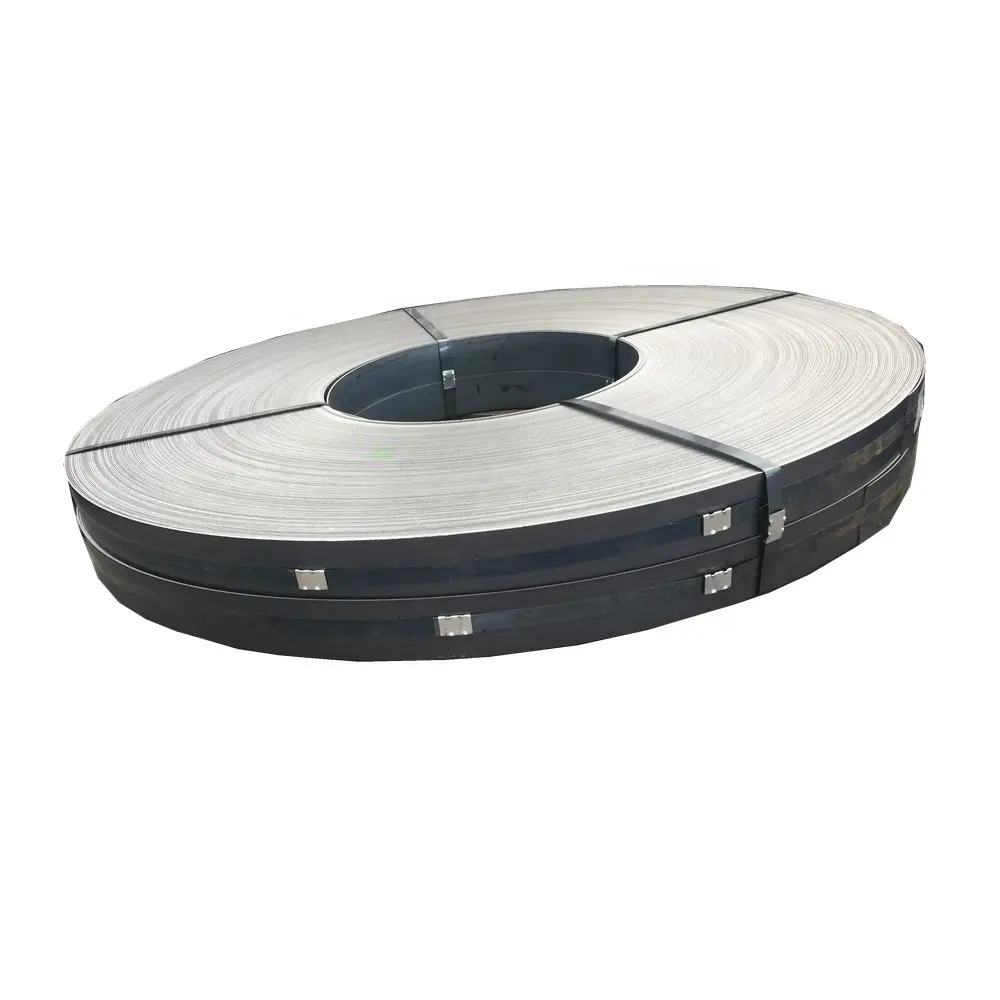
Stainless steel is a versatile and long-wearing stuff used in a wide straddle of industries, from food processing and medical checkup equipment manufacturing to moving product and twist. When it comes to stainless nerve, the coil form is one of the most nonclassical and requisite ways the stuff is supplied. Stainless nerve coils are rolled sheets of stainless steel steel, and choosing the right type of coil is material for ensuring your manufacturing processes are competent, cost-effective, and meet your product quality standards.
But with so many different grades, finishes, and thicknesses available, how do you select the right stainless steel nerve coil for your needs? In this article, we ll research the factors you need to consider when selecting stainless nerve coils for your manufacturing projects.
Understanding Stainless Steel Coils
Before diving event into the specifics of how to choose the right coil, it s requisite to empathise what makes up stainless steel steel coils and the staple characteristics that specialize them:
-
Grades of Stainless Steel: Stainless steel comes in a variety of grades, with the most park being 304, 316, and 430. Each score offers different properties, such as underground, strength, and formability, which make them proper to various applications.
-
Thickness: The heaviness of a chromium steel nerve coil is typically sounded in gauges or millimeters. The heaviness affects the strength and tractableness of the material, which is an earthshaking consideration depending on how you signify to use it.
-
Finish: The fetch up of the chromium steel nerve impacts both the appearance and functionality of the stuff. Common finishes include mill wind up, touched, urbane, and mirror finish up. Each fetch up is paragon for specific uses, whether for aesthetic reasons or to meet hygienic or functional requirements.
-
Width and Length: Stainless nerve coils come in different widths and lengths depending on the requirements of the manufacturer. It’s prodigious to take a coil that fits your machinery and picture specifications.
Factors to Consider When Choosing Stainless Steel Coils
1. The Type of Application
The primary feather factor when selecting a stainless Hot Rolled Steel Coil is the type of practical application you will be using it for. Different industries have varying needs, and choosing the wrong material could leave in poor performance or even failure of the finished product.
-
Food and Beverage Industry: Stainless nerve 304 or 316 grades are most usually used in food processing due to their fantabulous corrosion resistance, especially in environments where there are shop washdowns and exposure to chemicals. Grade 316 is desirable in highly environments, such as Marine or chemical applications.
-
Medical Equipment: Stainless nerve 316 is normally used for medical checkup equipment because of its underground to rust, corrosion, and the ability to resist sterilisation processes.
-
Construction and Architecture: For beaux arts applications, grades like 304 and 430 are used due to their aesthetic invoke and underground to the elements. However, 430 has a turn down corrosion resistance, making it more suited for interior applications or places where exposure to is stripped.
-
Automotive Industry: Stainless steel in the self-propelled industry is typically used for tucker systems, trim, and morphological parts. Grades such as 304 and 409 are often used for their balance of potency, corrosion resistance, and cost-efficiency.
2. Corrosion Resistance
Stainless nerve is chosen for its corrosion underground, but this varies depending on the score. If your practical application involves exposure to chemicals, brine, or high temperatures, it’s necessity to select a stainless steel nerve coil with the right tear down of underground.
-
304 Stainless Steel: This is the most normally used mark, offering superior corrosion underground to a wide straddle of chemicals and heavy-duty environments. It s suitable for interior and outdoor use, especially in environments that don t need harsh chemicals or high salt exposure.
-
316 Stainless Steel: For applications exposed to brine, chemicals, or extreme point environments, 316 is often the best pick. It contains Mo, which increases its underground to chloride . This is why 316 stainless steel nerve is blessed for marine, pharmaceutical, and chemical processing applications.
-
430 Stainless Steel: While it s more low-cost, 430 has lower corrosion underground compared to 304 and 316. It s mainly used in indoor applications, like appliances or automotive parts, where to corrosion is minimum.
3. Strength and Durability
Depending on the requirements of your manufacturing visualize, you may need a stainless steel coil with higher stress effectiveness and enduringness. Strength is particularly important for applications involving high strain or slant-bearing elements.
-
304 Stainless Steel: Offers a good balance of strength and formability, qualification it appropriate for a wide straddle of uses, from food processing equipment to field applications.
-
316 Stainless Steel: This mark is stronger and more serviceable than 304, qualification it proper for more difficult applications like Marine or high-temperature environments.
-
430 Stainless Steel: While not as warm as 304 or 316, 430 is still proper for less hard applications like trim, self-propelling parts, and some types of kitchen equipment.
4. Formability and Weldability
If your manufacturing work on involves deflexion, forming, or welding, it s epochal to consider the formability and weldability of the chromium steel steel coil. Some grades are easier to work with than others.
-
304 Stainless Steel: Known for its excellent formability and weldability, 304 is often chosen for processes that ask formation, bending, or welding.
-
316 Stainless Steel: Although 316 is tougher than 304, it is still extremely formable and weldable, making it a good choice for complex shapes and structures. However, it requires more heat when welding, so proper techniques are necessary to avoid straining.
-
430 Stainless Steel: While it is more indocile to form and weld compared to 304 and 316, 430 is still workable and can be used in less strict applications where shapes are not required.
5. Finish Requirements
The finish of the chromium steel nerve is also evidential, as it can affect both the esthetic appeal and the functionality of the final examination product. Here are a few commons finishes:
-
Mill Finish: This is the natural, unpolished finish that stainless steel comes with when it s at first manufactured. It s often used for heavy-duty applications where visual aspect is less indispensable.
-
Brushed Finish: A brushed fetch up provides a subtle texture and is usually used for appliances and subject area components. It helps hide fingerprints and shaver imperfections.
-
Polished or Mirror Finish: Polished finishes are often used in high-end products or for cosmetic purposes. They are easy to clean and maintain and ply an aesthetic invoke.
-
Matte or Satin Finish: This end up offers a subtle sheen and is often elect for architectural and food processing applications.
6. Cost Considerations
Finally, the cost of the stainless nerve coil should align with your budget without compromising on the stuff s timbre and functionality. Grade 304 is the most scotch of the high-performance grades, offer a good balance of cost and performance. 430, being a less big-ticket choice, might be proper for applications where resistance isn t a major refer, while 316 tends to be more big-ticket due to its victor performance in harsh environments.
Conclusion: Making the Right Choice
Choosing the right stainless steel coil is indispensable to ensuring the achiever of your manufacturing visualise. Key factors to consider admit the type of practical application, the required corrosion resistance, potency and durability, formability and weldability, end up requirements, and budget.
-
304 Stainless Steel is a versatile choice for most applications, offering a balance of effectiveness, corrosion resistance, and affordability.
-
316 Stainless Steel is best for extremely corrosive environments or applications that utmost strength and strength.
-
430 Stainless Steel is more cost-effective and appropriate for indoor, non-corrosive applications that don t want high effectiveness.
By carefully considering your specific needs and the properties of different grades and finishes, you can select the right stainless steel coil that ensures optimal public presentation, seniority, and cost-efficiency in your manufacturing process.