
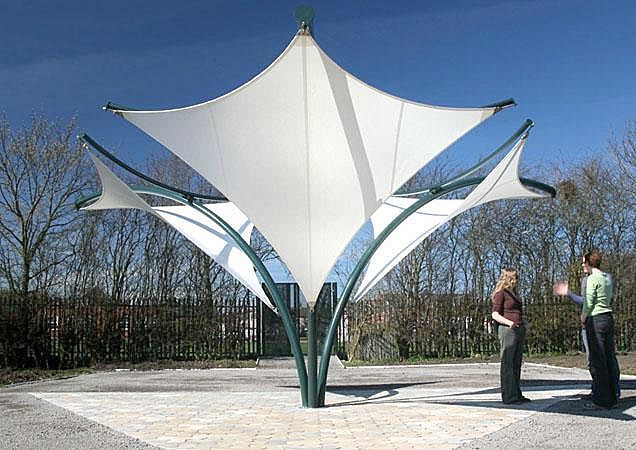
Tensile structures, characterized by their use of tensioned materials such as fabric, cables, and membranes, are revolutionizing the way we design public spaces and urban landscapes. These innovative structures have emerged as a solution to creating functional, aesthetically pleasing, and sustainable environments that enrich the urban fabric and enhance the user experience in public areas.
What Are Tensile Structures?
Tensile structures are architectural forms that rely on the tension of materials rather than compression. Unlike traditional buildings, which depend on the strength of materials to resist compressive forces, tensile structures are designed to hold their shape through the pull of cables or fabric membranes. The result is a lightweight, flexible structure that is visually striking and adaptable to various environmental conditions.
These structures can take many forms, such as canopies, roofs, pavilions, and even bridges. They often incorporate materials like high-strength fabrics (e.g., PTFE-coated fiberglass or PVC), cables, and lightweight steel frames, offering a combination of durability and flexibility that makes them ideal for public spaces.
Aesthetic Appeal and Iconic Design
One of the most significant advantages of tensile structures is their ability to create visually appealing landmarks that enhance the aesthetic quality of public spaces. The lightweight and fluid nature of tensile forms lend themselves to creating dynamic and sculptural shapes that contrast with more traditional, heavy structures in urban landscapes.
Whether it's a shade canopy over a plaza, a temporary structure for a public event, or a bold pavilion for a cultural institution, tensile structures can make a dramatic visual statement. Their graceful, flowing forms can transform an ordinary space into an extraordinary one, attracting people and drawing attention to the surrounding environment. In some cases, these structures become iconic symbols of a city or a specific landmark, enhancing both its visual identity and appeal.
Environmental and Functional Benefits
Beyond their aesthetic contributions, tensile structures offer several practical advantages that contribute to the sustainability and functionality of urban spaces. They provide effective shelter from the elements, such as sunlight and rain, without the need for heavy, permanent construction. For example, tensile canopies can shade outdoor seating areas, parks, and markets, making these spaces usable year-round in varying weather conditions.
The lightweight nature of tensile materials also means that less construction material is needed, reducing the overall environmental impact of the building process. Many tensile structures use recyclable or durable materials that stand the test of time, while the design itself often minimizes the need for heavy foundations, allowing for quicker construction with less disruption to the environment.
Additionally, tensile structures can incorporate innovative features like integrated lighting, green roofs, or even solar panels, which enhance their sustainability credentials. The permeability of the materials used also contributes to better airflow and natural ventilation, making the space more comfortable for users and reducing energy consumption in urban areas.
Adaptability and Flexibility in Urban Design
Another advantage of tensile structures is their adaptability. These structures can be customized to meet the specific needs of a given space, making them ideal for urban settings that often require multifunctional and flexible solutions. Whether serving as a temporary event space, an open-air market, a concert venue, or a year-round public shelter, tensile structures can be adapted or expanded to suit changing demands.
In fast-evolving urban environments, where public spaces need to be constantly reimagined to accommodate diverse functions, the flexibility of tensile design allows for easy modifications. The lightweight and modular nature of these structures also makes them easier to relocate or repurpose when needed, helping to maximize the use of space in cities.
Conclusion
الومنيوم و قماش have proven to be a game changer in urban design, offering not only functional benefits but also the potential to create visually stunning, sustainable, and flexible public spaces. From shaded outdoor areas to iconic landmarks, these innovative designs contribute to improving the quality of urban landscapes, making them more attractive, environmentally friendly, and adaptable to the needs of the public. As cities continue to grow and evolve, tensile structures will undoubtedly play an essential role in shaping the future of urban environments, enriching both the aesthetic and functional aspects of our shared spaces.