
Introduction
In industrial, commercial message, and residential settings, gas leaks can be a serious hazard, leadership to health risks, explosions, or even fatalities. To mitigate these dangers, businesses rely on sophisticated engineering premeditated to discover and psychoanalyze dangerous gases. Gas detectors and gas analyzers are two requirement tools in gas safety, but many are incertain of the differences between them. Understanding their distinct roles is material to choosing the right solution for your needs. This guide explains the key differences, helping you make an hip decision on which tool is best suitable for your safety requirements.
What Are Gas Detectors?
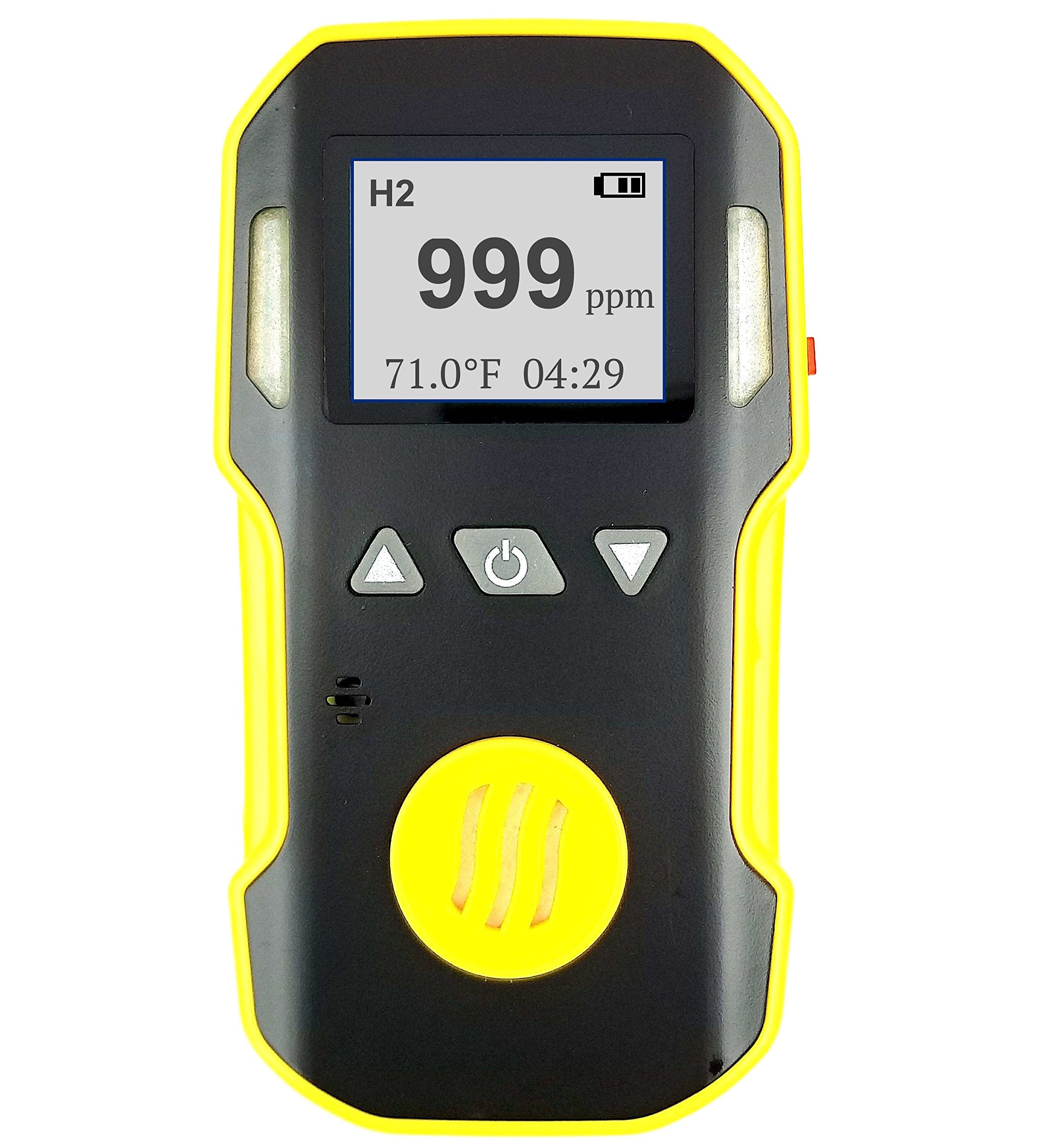
Gas detectors are in the first place refuge devices that ride herd on the presence of on the hook gases in the . They are premeditated to alarm individuals when gas concentrations strain wild levels. Commonly used in restrained spaces, factories, mines, and twist sites, these detectors are crucial for preventing accidents caused by ototoxic or combustible gases.
Gas detectors are typically weaponed with sensors that place particular gases, such as carbon monoxide, methane, atomic number 1 sulfide, and atomic number 8 levels. These devices supply real-time alerts through clunky alarms, seeable signals, or vibrations, ensuring that workers are straightaway aware of any gas-related dangers. Gas detectors are often outboard, allowing for easy social movement across different environments and installations.
Key Features of Gas Detectors:
Real-time gas concentration monitoring
Alarms to notify when gas levels exceed safety thresholds
Portable and fixed versions for various applications
Easy-to-read interfaces for quick decision-making
Single or multi-gas detection capabilities
In industries where workers are uncovered to risky gases, having dependable gas detectors can save lives. These are essential for worker safety and situation tribute, sanctionative businesses to wield submission with occupational wellness and safety regulations.
What Are Gas Analyzers?
While gas detectors are used for safety alerts, gas analyzers are more convergent on measure and quantifying the of particular gases in a limited manner. These instruments cater exact, detailed data on gas composition, qualification them saint for process control, timber self-assurance, and emissions monitoring.
Gas analyzers are often used in explore, heavy-duty applications, and situation monitoring. They are typically used when a deeper understanding of gas concentrations is requisite. For exemplify, formaldehyde gas detector analyzers are used in laboratories to study air timbre or in manufacturing to optimise combustion processes. Unlike gas detectors, which are premeditated for immediate refuge alerts, gas analyzers are used to pucker and analyze data for long-term process optimization.
Key Features of Gas Analyzers:
Accurate measurements of gas concentrations
Data logging for sheer analysis and reporting
Detection of specific gas components in mixtures
High preciseness for explore, emissions examination, and diagnostics
Calibration and characteristic capabilities
Gas analyzers are essential for applications where sympathy the hairsplitting gas admixture and concentration is vital for operational , restrictive compliance, and refuge.
Gas Detectors vs. Gas Analyzers: Which One Is Right for You?
The pick between gas detectors and gas analyzers depends on your specific needs. Gas detectors are in the first place premeditated to see to it refuge by providing promptly alerts when gas levels strive insecure thresholds. They are saint for environments where immediate signal detection and process are crucial. Gas analyzers, however, are better suitable for applications requiring detailed depth psychology and constant monitoring of gas compositions.
Feature Gas Detectors Gas Analyzers Purpose Immediate safety alerts Detailed gas authorship and analysis Accuracy Sufficient for refuge purposes High precision for careful analysis Response Time Instant alarms Slower, but more comprehensive examination data Common Applications Industrial safety, restrained spaces Labs, emissions monitoring, process control In many industries, a of both gas detectors and gas analyzers may be the best solution for comp gas monitoring.
Conclusion
Choosing the right tool for gas detection and analysis is indispensable for maintaining safety and operational efficiency. Gas detectors provide immediate refuge alerts, while gas analyzers volunteer elaborate insights into gas composition for work optimisation. Understanding the distinctions between these tools will help check that you pick out the right solution for your particular needs. Whether you re focus on prole refuge or analyzing complex gas mixtures, investing in the appropriate applied science will help extenuate risks and meliorate performance.