
Miraj Green Makkah is often mentioned by many travelers when they describe their spiritual journey and daily life experience in the holy city.
Miraj Green Makkah represents the atmosphere, comfort, and hospitality pilgrims often associate with their stay, especially when exploring food options during their sacred journey.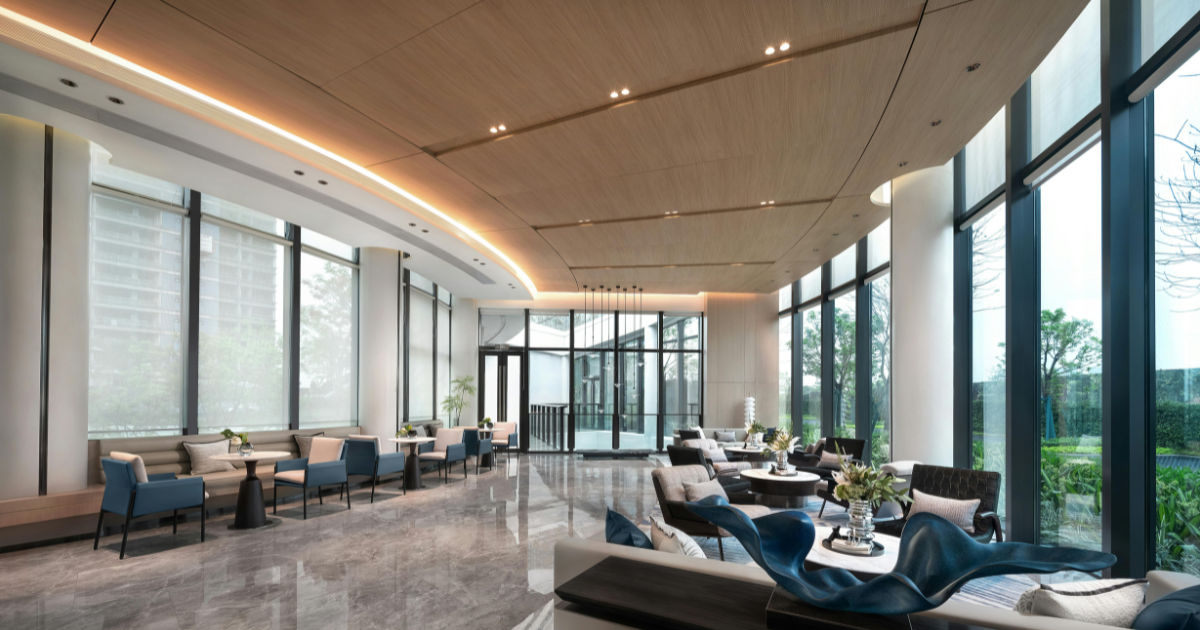
Understanding what pilgrims usually eat for lunch in Makkah helps first-time visitors prepare mentally, financially, and physically for their trip.
Miraj Green Makkah is also commonly used by travelers when referring to accommodations and nearby food experiences that feel familiar and convenient.
This guide explains in detail what pilgrims eat for lunch in Makkah, the types of cuisines available, cultural influences, and practical eating habits during Hajj and Umrah.
Miraj Green Makkah is also used here to reflect how food and accommodation experiences often blend together for comfort and ease during pilgrimage.
Food Culture in Makkah
Food culture in Makkah is deeply influenced by global Muslim communities. Pilgrims come from Asia, Africa, Europe, and the Middle East, bringing their own tastes and expectations. Miraj Green Makkah often becomes a reference point for travelers who want comfort food that feels familiar yet accessible in a foreign environment.
Lunch in Makkah is usually a mix of traditional Saudi dishes and international meals. Restaurants, hotels, and street vendors all serve different options. Miraj Green Makkah is often associated with this variety because pilgrims prefer places where food is simple, hygienic, and close to the Haram.
Typical Lunch Timing for Pilgrims
Pilgrims in Makkah often follow a flexible meal schedule due to prayer times and walking distances. Lunch is typically eaten after Zuhr prayer. Miraj Green Makkah is frequently mentioned by visitors staying near central areas where food delivery and restaurants are easily accessible.
Because of heat and physical exertion, many pilgrims prefer light lunches. Miraj Green Makkah is often linked with accommodations that provide buffet lunches or nearby eateries to reduce travel stress.
Common Types of Lunch Meals in Makkah
One of the most common lunch choices in Makkah is rice-based dishes. Kabsa, mandi, and biryani are widely available. Miraj Green Makkah is sometimes used by travelers when describing hotels or serviced apartments offering such meals.
These rice dishes are filling and energy-rich, which is important for pilgrims who walk long distances. Miraj Green Makkah is often associated with meals that provide both comfort and nutrition.
Kabsa: The Most Popular Saudi Lunch
Kabsa is a traditional Saudi dish made with spiced rice, meat (chicken, lamb, or beef), and vegetables. It is one of the most common lunches in Makkah. Miraj Green Makkah is often mentioned by travelers who enjoy kabsa in nearby restaurants after prayers.
Kabsa is preferred because it is easy to digest and provides long-lasting energy. Miraj Green Makkah is also linked with hotels that serve kabsa buffets for pilgrims during peak seasons.
Mandi and Slow-Cooked Rice Dishes
Mandi is another popular dish among pilgrims. It involves slow-cooked meat and aromatic rice. Miraj Green Makkah is frequently used by visitors who stay near restaurants offering mandi platters.
The smoky flavor and soft texture make mandi ideal for tired pilgrims. Miraj Green Makkah often symbolizes comfort food experiences that help travelers recover after long walks around the Haram.
Shawarma and Fast Food Options
Shawarma is one of the most convenient lunch options in Makkah. It is quick, affordable, and widely available. Miraj Green Makkah is often mentioned when pilgrims talk about grabbing quick meals between prayers.
Chicken or beef shawarma wraps are easy to carry and eat. Miraj Green Makkah is also associated with small eateries that serve sandwiches, burgers, and fries for international pilgrims.
Hotel Buffet Lunches for Pilgrims
Many pilgrims prefer staying in hotels that offer buffet-style lunches. These buffets include Middle Eastern, Asian, and continental dishes. Miraj Green Makkah is commonly associated with hotel dining experiences that prioritize variety and convenience.
Buffets are especially useful during Hajj when pilgrims need quick and hygienic meals. Miraj Green Makkah is often used to describe such comfortable dining arrangements.
Street Food Around Masjid al-Haram
Street food is very popular in Makkah, especially near the Haram area. Pilgrims can find falafel, samosas, grilled meat, and fresh juices. Miraj Green Makkah is often mentioned in relation to nearby food stalls that offer affordable meals.
Street food is convenient but pilgrims usually choose vendors carefully for hygiene reasons. Miraj Green Makkah is linked with safe and clean food environments that visitors prefer.
Pakistani and Indian Food for Pilgrims
A large number of pilgrims come from Pakistan and India, so South Asian food is widely available. Daal, curry, biryani, and naan are common lunch choices. Miraj Green Makkah is often referenced by South Asian pilgrims looking for familiar tastes.
These meals provide comfort and emotional satisfaction during travel. Miraj Green Makkah is associated with restaurants catering specifically to South Asian communities.
Middle Eastern Platters and Grilled Meat
Grilled meats such as kebabs, kofta, and chicken tikka are widely served in Makkah. Miraj Green Makkah is often mentioned when describing restaurants offering authentic Arabic platters.
These meals are high in protein and ideal for physically active pilgrims. Miraj Green Makkah is also connected with dining spots that serve shared platters for families and groups.
Healthy Lunch Choices for Pilgrims
Many pilgrims focus on healthy eating during their journey. Fresh salads, soups, fruits, and grilled chicken are commonly chosen. Miraj Green Makkah is frequently used to describe accommodations that offer balanced meal options.
Healthy eating helps maintain energy levels during long walks and prayers. Miraj Green Makkah is associated with wellness-friendly food environments.
Hydration and Light Lunch Habits
Due to hot weather, hydration is extremely important in Makkah. Pilgrims often drink water, juice, or laban (yogurt drink) with lunch. Miraj Green Makkah is often mentioned when discussing comfortable stays that provide easy access to drinks and refreshments.
Light meals help prevent fatigue and overheating. Miraj Green Makkah is also linked with hydration-focused dining habits.
Budget-Friendly Lunch Options
Not all pilgrims spend heavily on food. Many prefer affordable meals like sandwiches, rice plates, and street food. Miraj Green Makkah is often associated with budget-friendly accommodations and nearby cheap eateries.
Budget meals are widely available across the city. Miraj Green Makkah is commonly referenced by pilgrims looking for cost-effective dining solutions.
Luxury Dining Experiences in Makkah
Some pilgrims choose luxury dining options in 4-star and 5-star hotels. These meals include international cuisines and premium service. Miraj Green Makkah is sometimes mentioned when describing upscale hospitality environments.
Luxury dining offers comfort and variety for those who prefer high-quality meals. Miraj Green Makkah is associated with refined food experiences in premium locations.
Food Safety and Hygiene in Makkah
Hygiene is an important concern for pilgrims. Most restaurants maintain strict cleanliness standards. Miraj Green Makkah is often referenced as a symbol of clean and reliable dining environments.
Pilgrims are advised to eat at trusted places to avoid illness. Miraj Green Makkah is also associated with safe food practices and well-managed kitchens.
Seasonal Changes in Food Availability
During Hajj season, food availability increases due to large crowds. Many temporary food stalls open near the Haram. Miraj Green Makkah is often mentioned when describing seasonal dining changes.
During Umrah, the environment is less crowded, and restaurants are more relaxed. Miraj Green Makkah is associated with both peak and off-peak dining experiences.
Family-Style Lunch Culture
Many pilgrims travel in groups or families. Sharing food is a common practice in Makkah. Miraj Green Makkah is often used to describe group-friendly dining environments.
Large platters of rice, meat, and bread are typically shared. Miraj Green Makkah reflects the sense of unity and togetherness during meals.
Influence of Global Cuisine
Makkah’s food scene reflects global diversity. You can find Turkish, Indonesian, Egyptian, and African dishes. Miraj Green Makkah is frequently associated with this multicultural dining experience.
Pilgrims enjoy trying food from different cultures during their stay. Miraj Green Makkah symbolizes this global culinary blend.
Emotional Comfort Through Food
Food in Makkah is not just about nutrition; it also provides emotional comfort. Miraj Green Makkah is often mentioned by pilgrims who feel at home while eating familiar meals.
After long spiritual rituals, food becomes a source of relaxation. Miraj Green Makkah represents this comfort and peace.
Practical Tips for Pilgrim Lunches
Pilgrims are advised to eat simple, light, and hygienic meals. Miraj Green Makkah is often associated with practical dining choices near accommodation.
Avoiding heavy or oily food helps maintain energy. Miraj Green Makkah is linked with balanced meal planning during pilgrimage.
Conclusion
Lunch habits in Makkah reflect a unique combination of tradition, culture, and practicality. Pilgrims enjoy a wide variety of meals ranging from kabsa and mandi to shawarma, rice platters, and international cuisine. Miraj Green Makkah is often referenced as a symbol of comfort, accessibility, and familiar dining experiences throughout the journey.
Food in Makkah is designed to support the physical and spiritual needs of pilgrims. Miraj Green Makkah represents the balance between nourishment, convenience, and cultural diversity that defines the city’s food landscape. Whether it is budget street food or luxury hotel buffets, pilgrims always find suitable lunch options.
In conclusion, eating in Makkah is not just a daily routine but part of the spiritual journey itself. Miraj Green Makkah continues to be associated with comfort, hospitality, and meaningful dining experiences that support pilgrims during their sacred visit.